Why Empty Hallways Feel So Wrong: The Psychology of Liminal Spaces
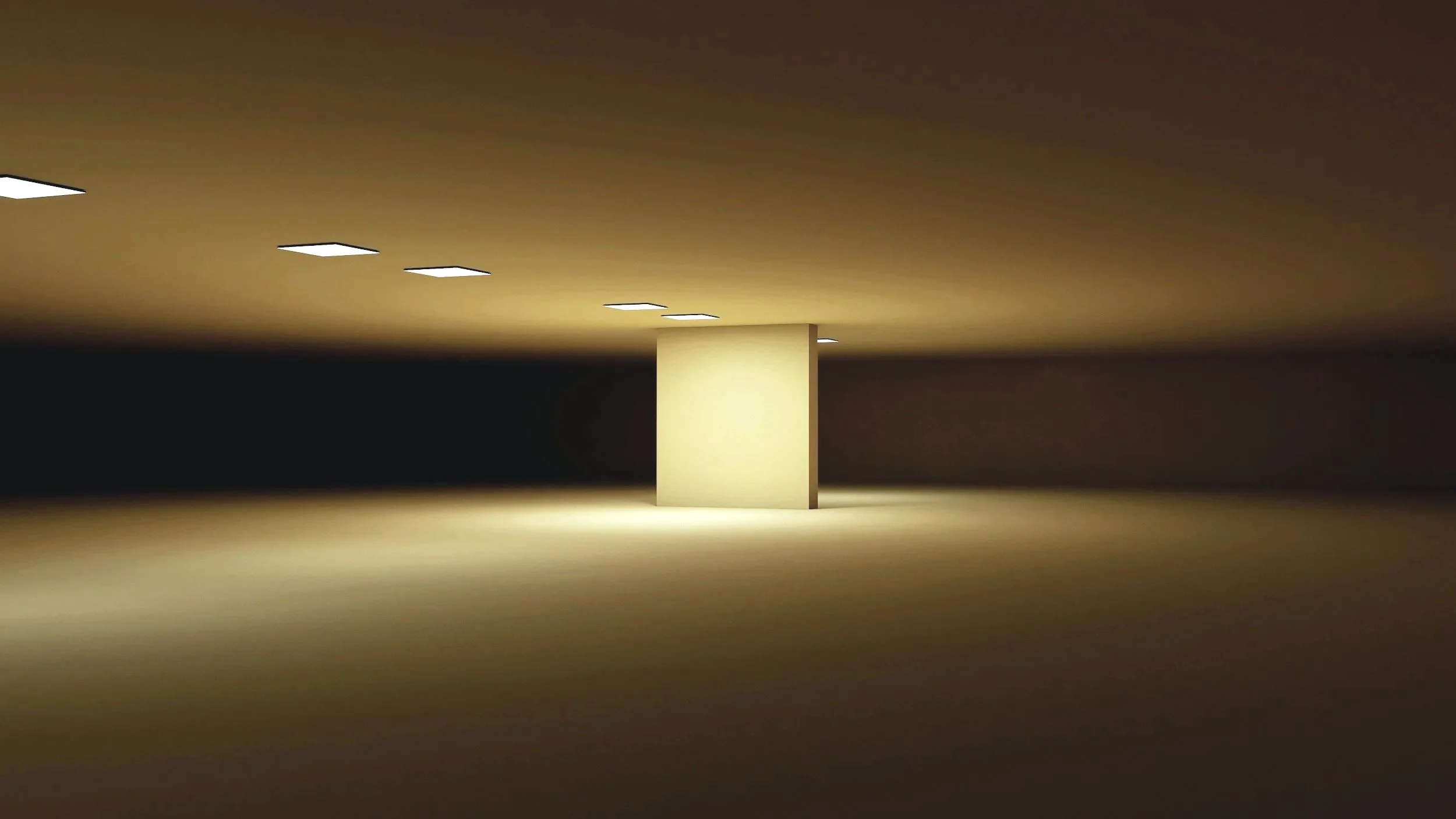
Did you go see A24’s new Backrooms film?
I did, and I loved it.
Horror is all the rage right now, but I usually steer clear of the genre because it stresses me out.
I get that’s probably the point.
Some kind of catharsis or, perhaps, perspective adjustment:
Don’t like your job? Well, at least you’re not being chased through a field by a sickle-wielding psycho in a burlap sack mask!
Sometimes I can’t resist though.
The Shining.
The Others.
Midsommar.
Sure, I’ll have trouble sleeping for a week, but sometimes the gain is worth the pain.
So it was with Backrooms.
If you’re unfamiliar, Backrooms is a film adaptation of a viral internet creepypasta from Kane Parsons (Pixels), who created the wildly popular YouTube web series first. He and the writer, Will Soodik, nailed it—not just as a well-executed portrayal of Parsons’ popular liminal space aesthetic but as a story that gets at the reason I believe we find these imagined endless liminal spaces so terrifying.
But more on that later.
Let’s dig into some details first.
What Is a Liminal Space?
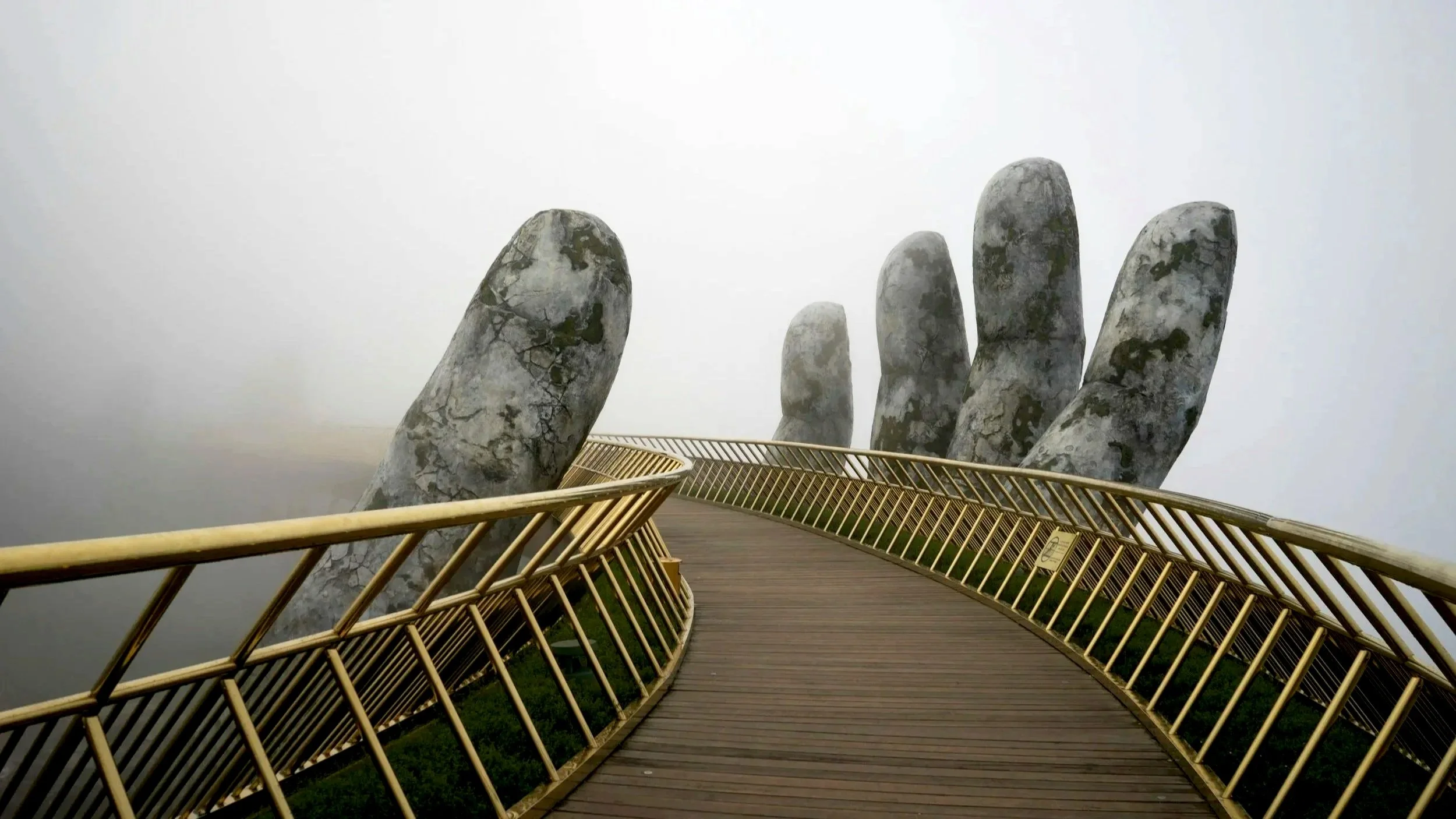
Image by Unsplash
A liminal space is a transitional place—one that exists between two established locations, conditions, or identities. It may be liminal for the person using it, for the space itself, or for both.
Some spaces are designed for this purpose, like bridges and staircases.
Others spaces become liminal because their familiar purpose has been interrupted, like a school after dark.
The defining quality is not simply emptiness.
It is in-betweenness.
Spaces Meant for Passing Through
Transit-Only Spaces
Some places exist almost entirely to move us from one place to another, like bridges and hallways, staircases and boarding gates. They are spaces in their own right, but they are designed for us to pass through on our way to some other space. This is why getting delayed in one can feel peculiar. We have this sense of being on our way, so if we’re stalled, we feel a lack of resolution.
And if it’s an elevator?
Full on claustrophobia.
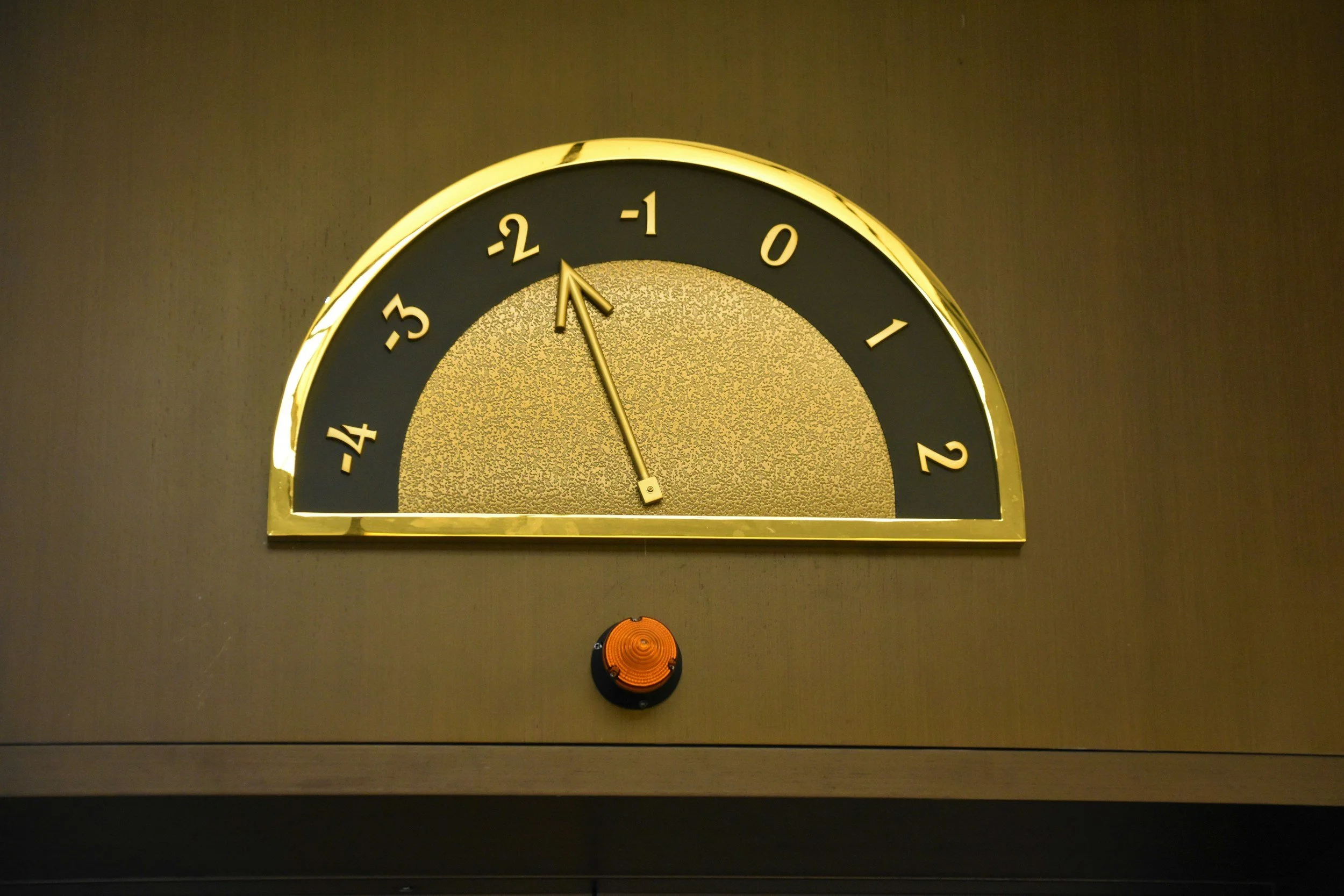
Image by Unsplash
Thresholds and Gateways
Doorways, porches, vestibules, gates, and turnstiles mark physical thresholds, but they’re also symbolic. We cross them at moments of entrance, departure, invitation, exclusion, and return.
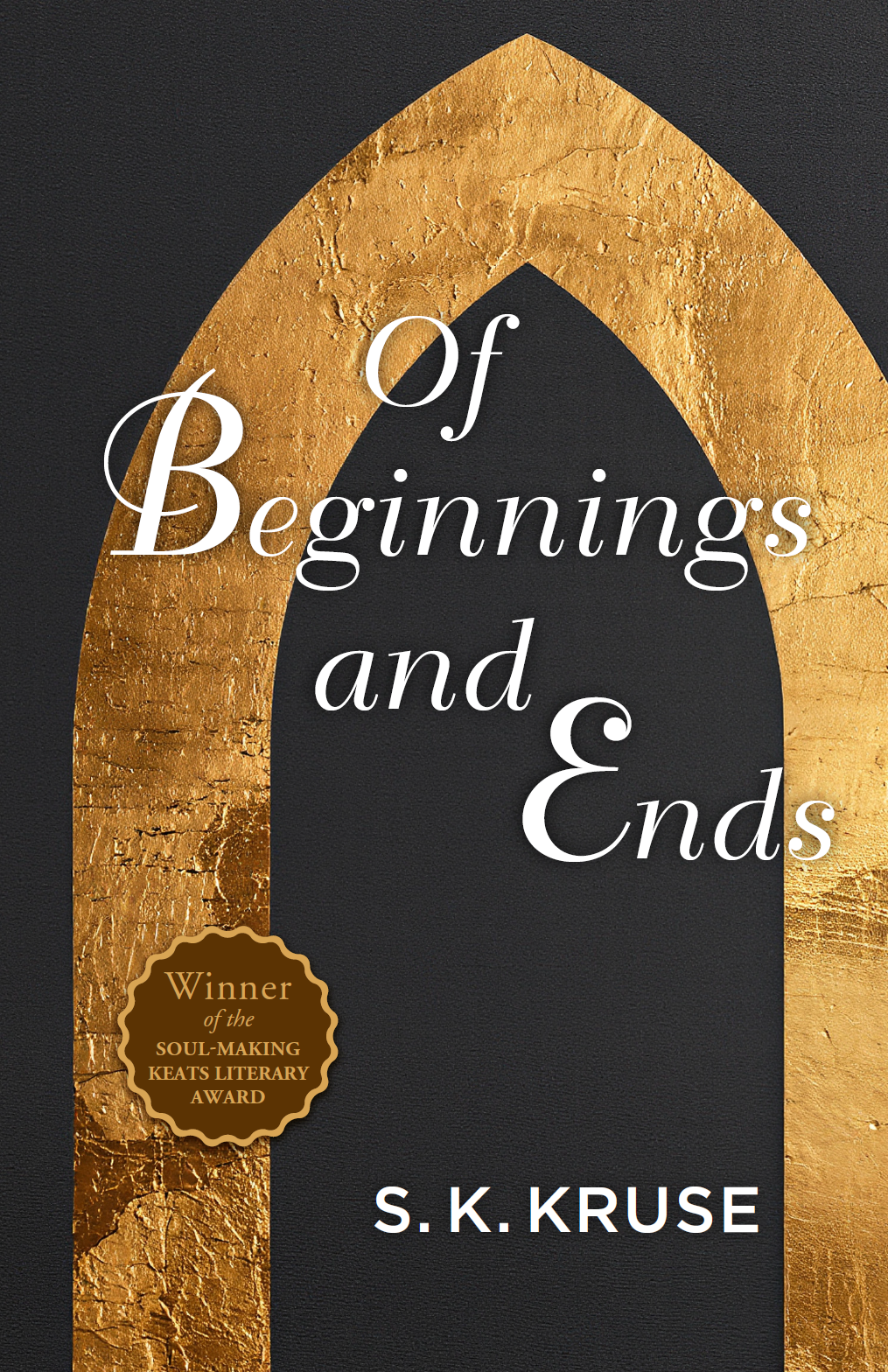
I use this kind of liminal imagery as the overarching metaphor in Of Beginnings and Ends. Evy (the protagonist) arrives in the Hall of Beginnings and Ends at critical junctures of her life and must choose to pass through a mist-shrouded arch to her best path forward or a side door offering a detouring.
Threshold Rituals
Thresholds are such a big deal, that people have all sorts of rituals before crossing them.
Before entering a temple or a home, they might remove their shoes, wash their hands and feet or sprinkle water to signify inner purification before stepping inside. They might touch the threshold with their hand, then press it to their forehead or chest as a sign of respect, being careful not to step on the threshold itself—a sacred boundary. Others might ring a doorway bell to clear negative energy or touch a protective amulet
Apparently, the tradition of grooms carrying their brides across the threshold has to do with warding off evil spirits and demons, which medieval Europeans and ancient Romans feared lurked around doorways and could enter through the soles of the feet! Carrying the bride was supposed to stop these spirits from attaching to her. (What about the groom???) In another Roman version of this tradition, if a bride stumbled or tripped on her very first step into her new home, it was a terrible omen that would bring lifelong misfortune, even anger household gods.
(I ask again—what about the groom?)
Waiting and Holding Areas
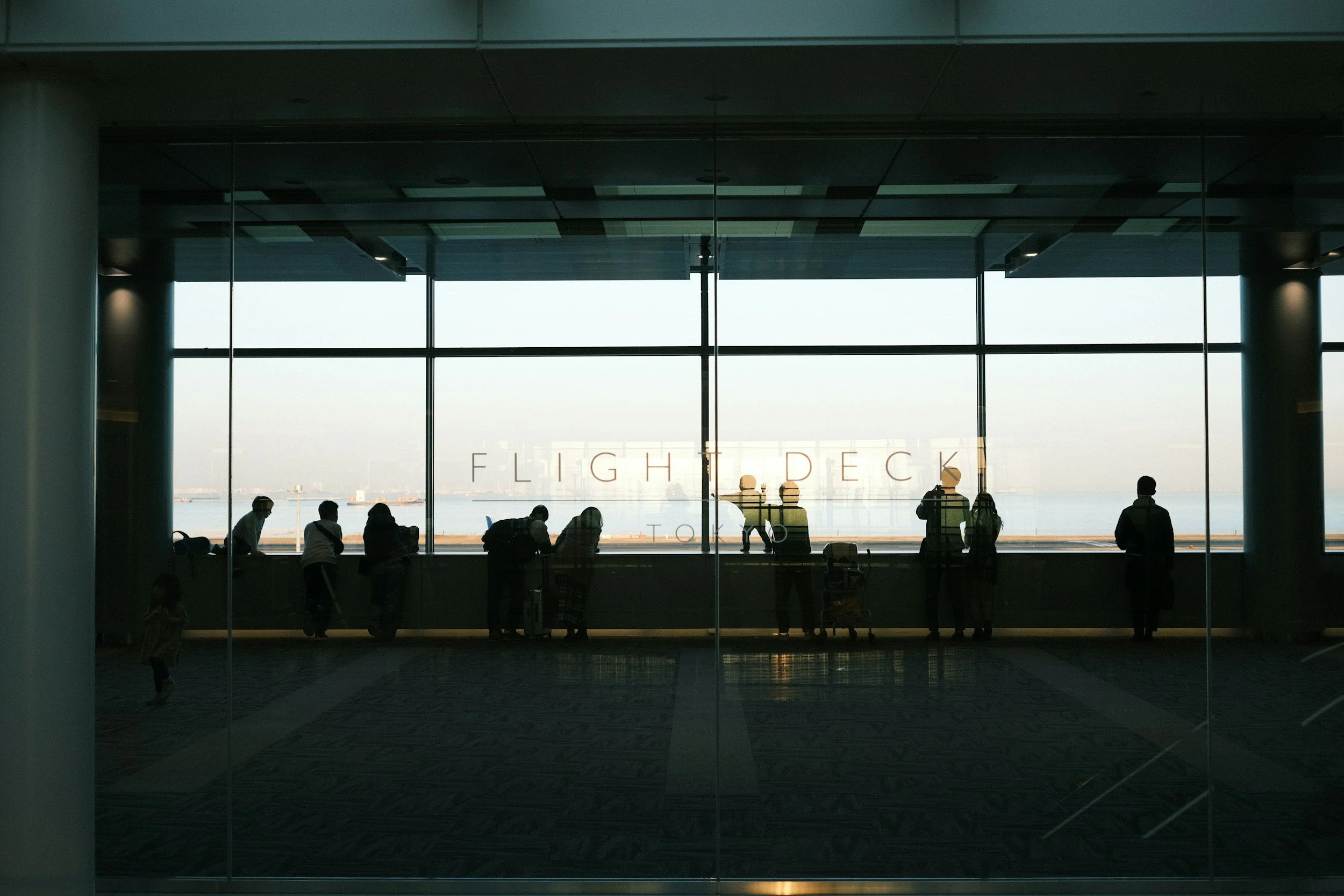
We’ve all been in them. Waiting rooms, lobbies, airport gates. I’m hard pressed to think of a pleasant experience I’ve had in one of them. We’re usually a bit on edge as we’re waiting for something. A diagnosis or verdict. An interview or surgery report. A departure or a reunion. The physical space becomes charged with anticipation, anxiety, even dread.
Borders and Edge Zones
Liminal spaces also exist where two environments meet, like shorelines and treelines, city limits and fence lines, riverbanks and borders.
Borders may be geographical, political, social, or symbolic. They define where one order ends and another begins, but they’re rarely stable.
Water advances and retreats.
Cities expand.
Nations argue over lines drawn on maps.
These seams reveal both connection and division.

When a Familiar Place Loses Its Purpose
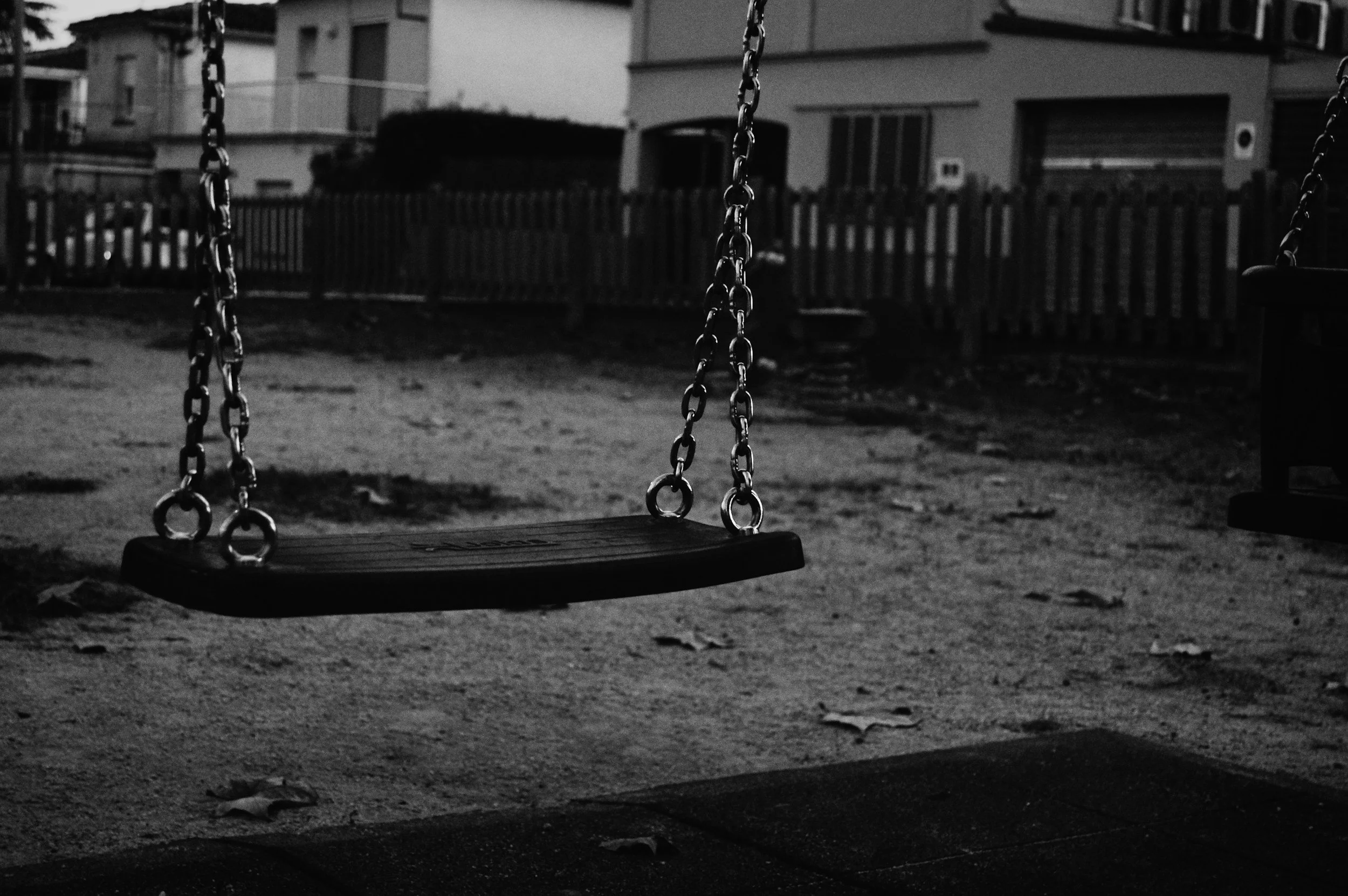
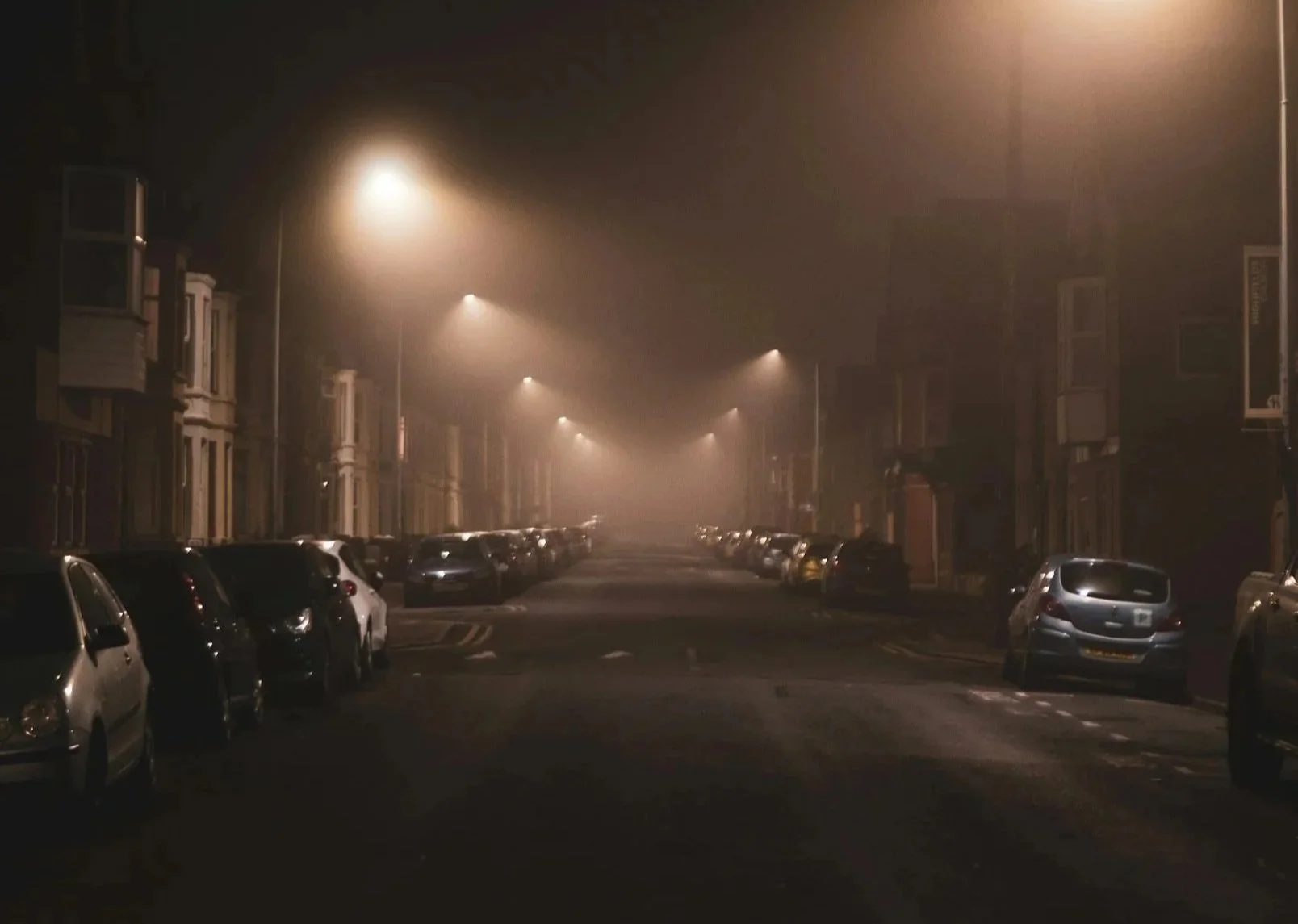
Familiar places can become liminal when their ordinary function becomes suspended, like a theater when its empty or a street at night. A school corridor at noon is filled with footsteps, laughter, voices, bells, and purpose, but that same corridor at midnight feels entirely different.
The physical place has not changed much, but what has changed is our relationship to it. The expected people and purpose are gone.
When it’s empty, it becomes uncanny.
But more on that in a bit.
Abandoned Places
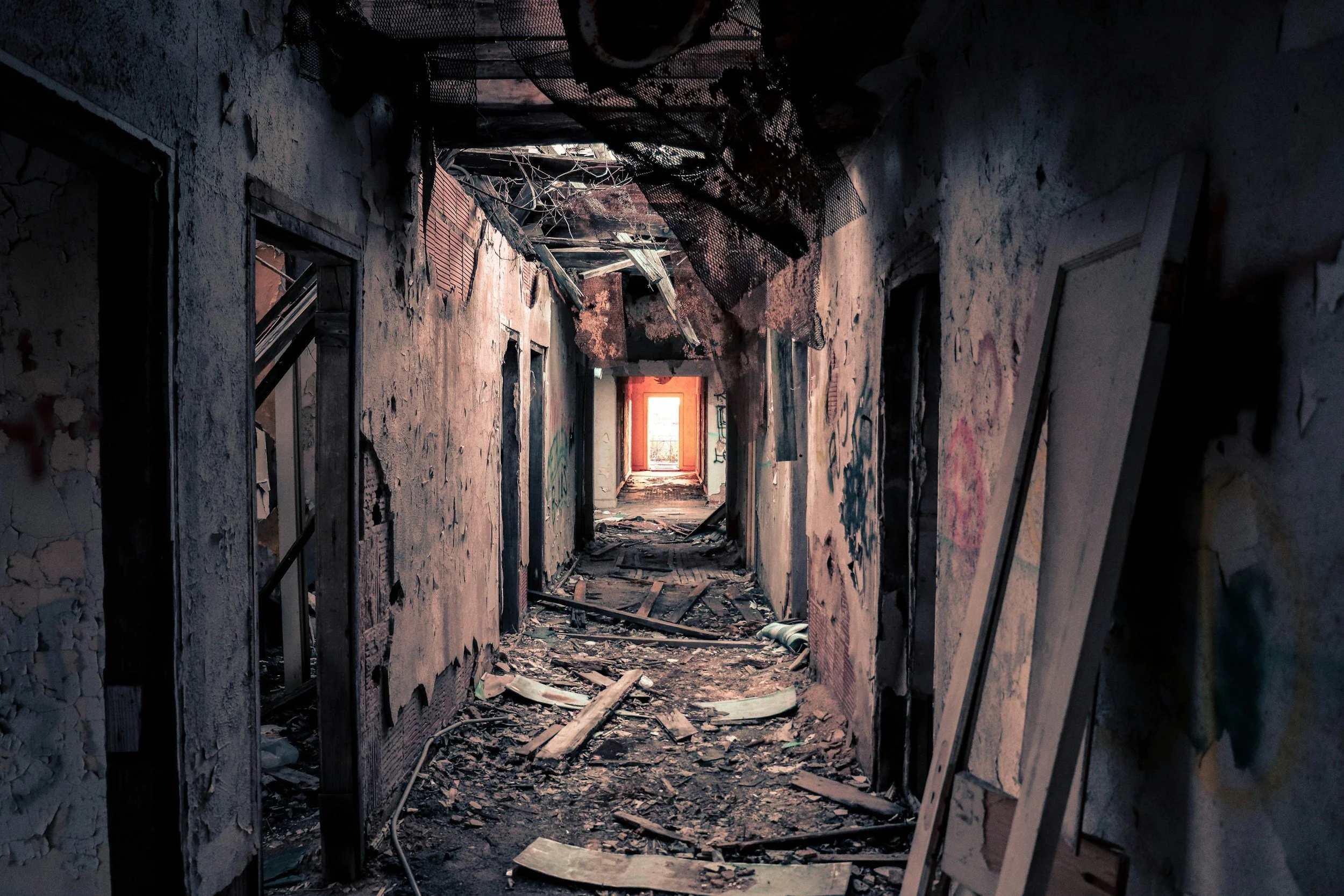
I loved abandoned buildings, with their broken windows and graffiti, long before I understood them as liminal places. What makes them liminal is that their former identity has ended but their future is still uncertain. Think of a factory that no longer produces, a house that’s no longer a home, a railway station that no longer receives travelers.
Maybe the reason we humans are attracted to ancient ruins is that they make tangible the impermanence of life. We try to imagine other humans, hundreds or thousands of years before us, walking on the same road, sitting in the same building, eating dinner, worrying about their kids, wondering how they’re going to pay their taxes.
Or maybe they make tangible the interior “ruin” that we know must precede our interior renewal….
But more on that when we discuss liminal states.
Places Under Construction
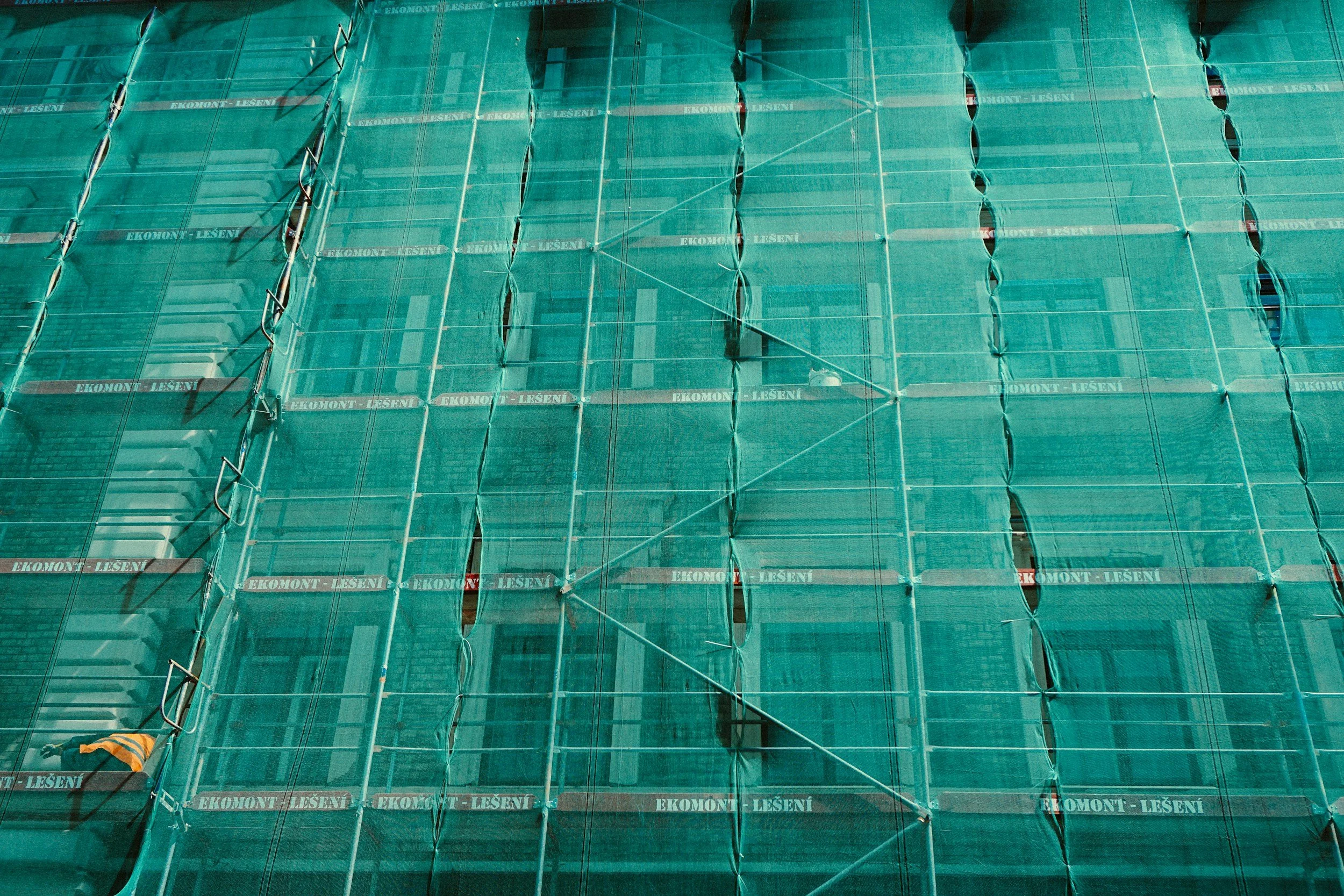
Construction sites are liminal in a more active way. They’re not merely abandoned but in the process of becoming.
All those scaffolds, exposed beams, and unfinished walls reveal the “betwixt & between” nature of the space.
The Uncanny Liminal
So, why do empty liminal spaces feel eerie?
Part of the answer lies in our expectation. We know what a school, shopping mall, or theater is supposed to look like. To feel like. So when the people and normal activity are gone, this place that is so familiar to us becomes unfamiliar—but without becoming unrecognizable.
Our minds recognize the setting but cannot reconcile it with the absence of life it usually contains.
We call this the uncanny liminal: something known, yet strange to us at the same time.
Nothing terrible is necessarily happening.
Nothing much is happening at all.
Precisely what unsettles us.
The Internet Aesthetic of Liminal Space
In recent years, “liminal space” has become associated with a particular internet aesthetic: fluorescent hallways; empty hotel corridors; abandoned malls; vacant playgrounds; blurry photographs of places remembered from childhood; rooms that seem familiar even when we have never visited them.
The Backrooms.
These images capture the emotional atmosphere of being between worlds.
But not every empty or unattractive room is liminal.
A place becomes liminal because of its relationship to passage, suspended purpose, ambiguity, or transition—not just because someone photographed it under unfortunate lighting. The aesthetic is powerful because it touches something much deeper than architecture.
The Horror of Imagined Endless Liminal Space
The Backrooms imagines a vast series of beige-carpeted, fluorescent-lit rooms and corridors from which there may be no escape. The horror is not simply that the rooms are ugly-bland with random (unsettling) smatterings of furniture, decorations, signs, and sounds.
It’s that they are endless.
A threshold is bearable partly because it promises another side. A hallway leads to a room. A bridge reaches the opposite bank. A waiting room eventually releases us into news, action, or departure.
But an endless liminal space removes that promise.
There is no arrival.
No destination.
No reintegration.
This is why the Backrooms’ aesthetic and architecture induce horror—because they externalize the very real and more intimate fear of being stuck in an existential threshold. I call this the Trap of the Liminal. While liminal states offer the possibility of transformation—we often resist and remain stuck.
Sometimes for years.
Sometimes for the rest of our lives.
Soodik and/or Parsons understood this when they created the Backrooms script. The whole story turns on the arcs of the two main characters: Clark, an angry failed architect turned furniture salesman and his traumatized therapist, Dr. Mary Kline, who each have been trapped in an interior liminal state for years.
Whether or not they ever find their way out, I’ll let you discover for yourselves.
Continue Exploring the Liminal
I hope you enjoyed this introduction to liminal spaces. You can return to the Liminal Hub or continue to: Liminal States.
Related reading: The Trap of the Liminal (Coming soon!)
All images from Unsplash via Squarespace.
Further Libations
Liminal Times: Thresholds of the Turning World — dawn, dusk, autumn: the hours when time itself becomes a threshold.
In the Sprawling Decline of the Stretch Motel — an excerpt from "The Stretch Motel," longlisted for the John Steinbeck Award for Fiction.
Vexed to Nightmare — Yeats's "The Second Coming" and the widening gyre of our own moment.
