Liminal Times: Thresholds of the Turning World
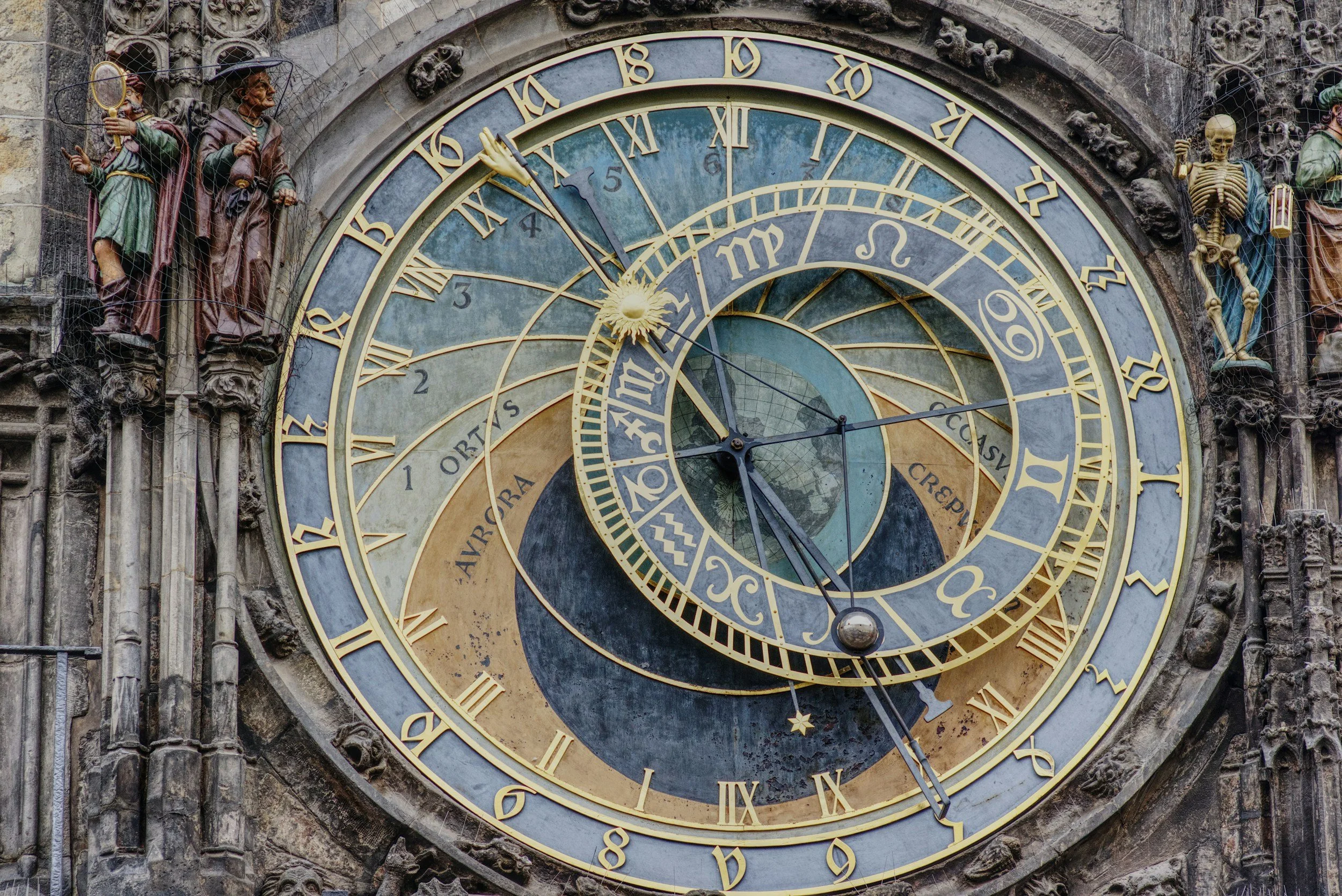
The Prague Astronomical Clock from Unsplash via Squarespace
I’ve spent a lot of time pondering interior liminal states.
Liminal spaces too.
But not so much liminal times.
They just didn’t seem as deep and meaningful as dark nights of the soul or as intriguing as the aesthetics of deserted malls and empty playgrounds.
But I’m discovering they have their own secret depths.
Liminal times feel different — special.
Thresholds woven into chronology itself.
Some return predictably with the movements of the heavens — hours, days, and seasons of the year — marked by cultures and religions since ancient times.
Others return annually on our private calendars—dates significant only to our individual lives.
Let’s linger in them for a while.
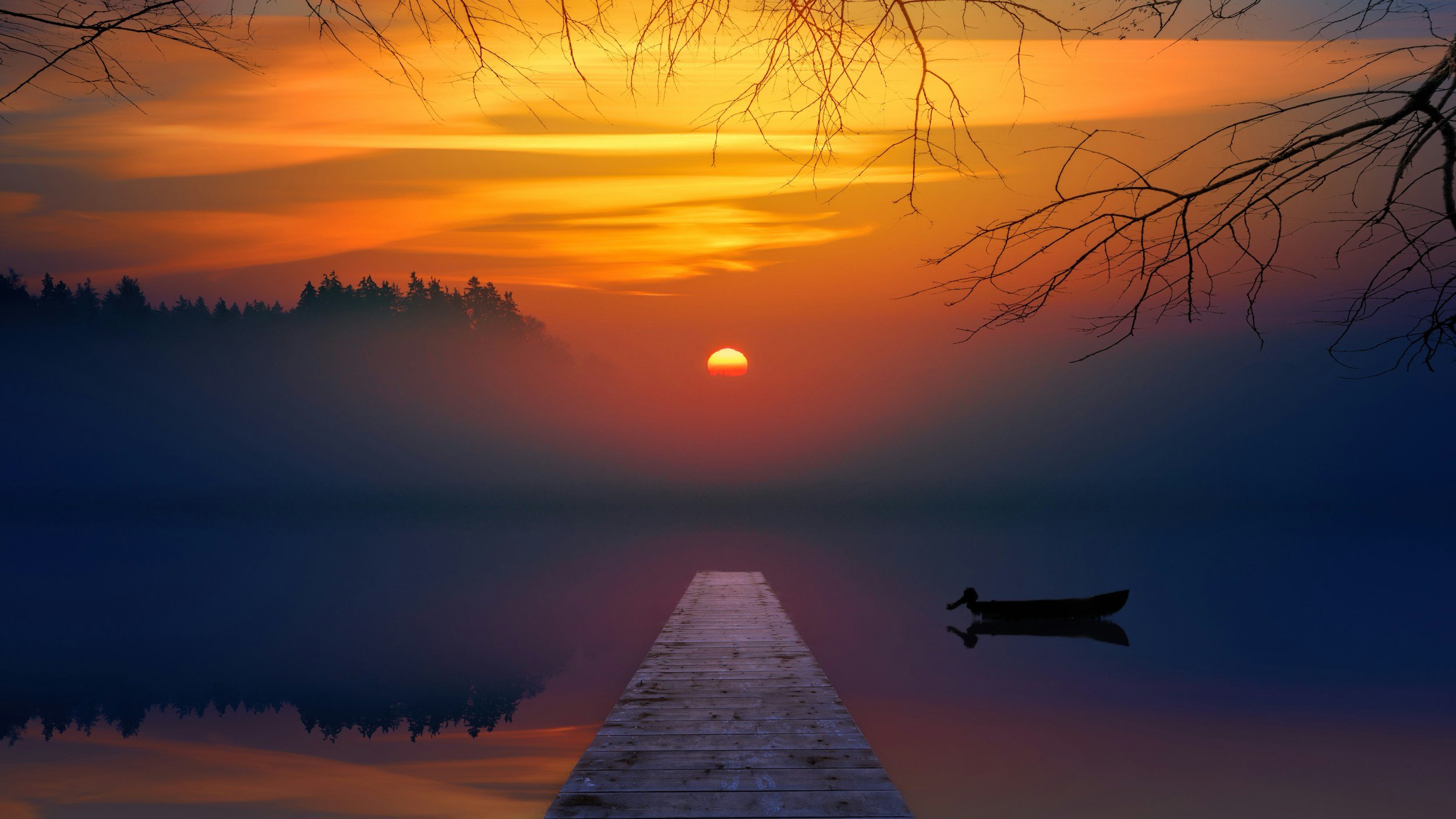
Image from Unsplash via Squarespace
Dawn: the World as It’s Waking Up
Dawn begins in ambiguity. Shapes emerge without full definition. Birds announce a world we cannot yet fully see. As darkness gives way to light, the world becomes familiar again. It’s a special time for many—for prayer, meditation, and creativity.
Not so much for me, though, as I’m not exactly what you would call a morning person.
I do, however, have decades of up-close, first-hand knowledge about these mysterious creatures. By the time I stumble bleary-eyed out of bed, heading straight for the Keurig, my husband has already been up for hours, reading, meditating, watching the sun rise.
Sometimes he’s already been out for a walk.
But even though my morning begins several hours after his, I still get to experience the sun’s gentle waking energy as it rises above the trees, beckoning me to begin a new day.
Dusk: the Hour of Relinquishment
Perhaps it goes without saying, in light of my previous disclosure, that I prefer dusk to dawn.
I realize to a morning person, that might sound messed up.
At dawn, the darkness is leaving!
At dusk—the light is!
But I love it.
There’s something mythic about twilight — and the word itself — ancient and steeped in mystery.
Outside your windows, the trees become strange.
The moon shows her face.
At least part of it, sometimes, depending on her mood.
The day releases its sharp edges, and you release yours.
You light a lamp or build a fire, as you nestle into your home, safe and sound, like the other diurnal creatures, ready for a good night’s sleep.
Midnight: the hour of hidden beginnings
In the quiet, deep dark of the night, a new day is born.
But if we didn’t have clocks, we wouldn’t even know when it turns.
Still, the hour holds power over our imaginations, like all thresholds—especially those shrouded in darkness.
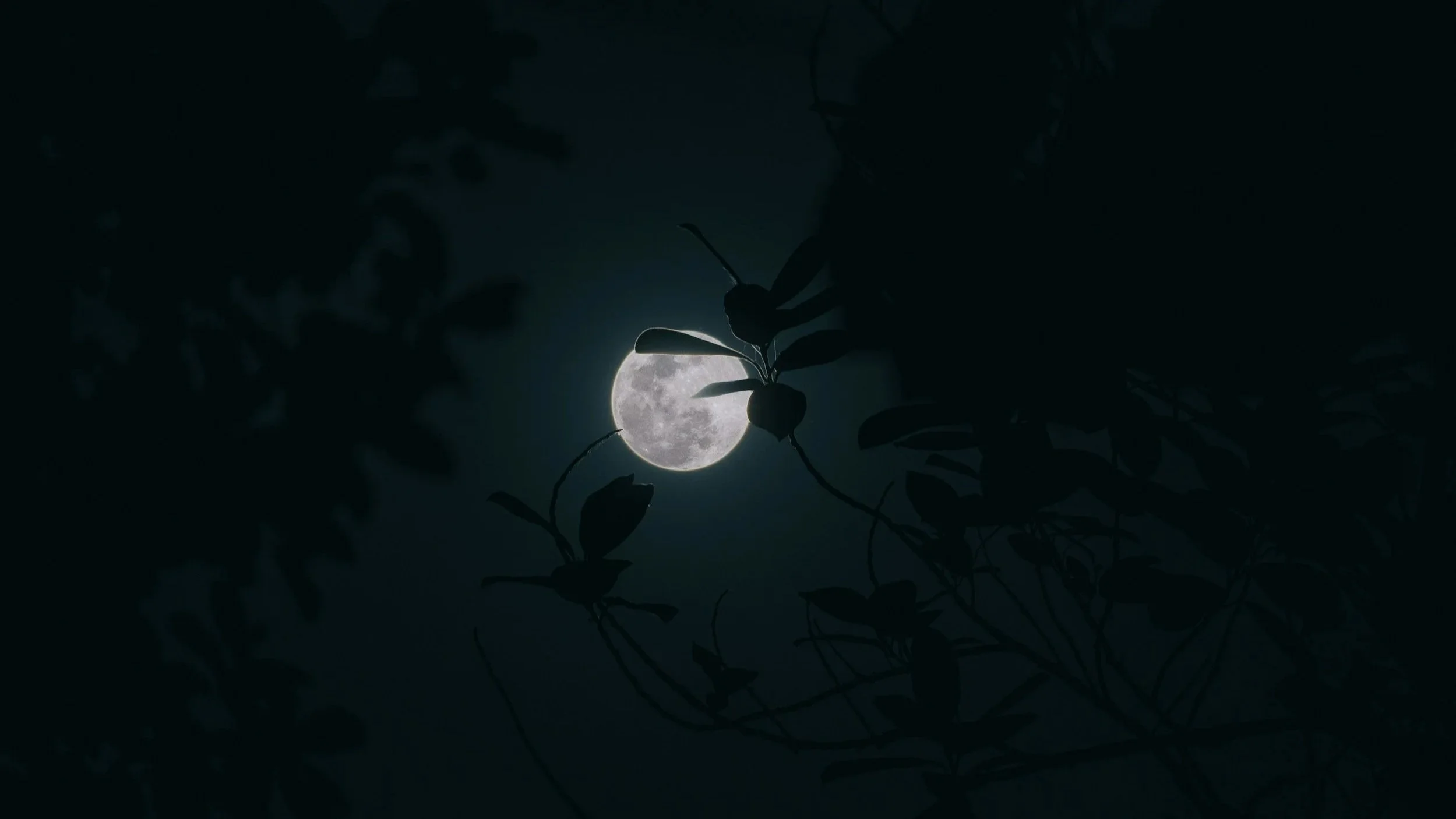
Image from Unsplash via Squarespace
Autumn and Spring: Transition Made Visible
There is no better teacher of the liminal than the seasons of the year. A summer in full bloom gives way every year to fall, the leaves beautiful at the moment of relinquishment. The earth turning from growth toward dormancy.
But spring is liminal too!
The great thaw, the oozing mud, the new life.
Crocuses poking up out of the snow.
Tulips and daffodils braving the cold, their bright colors cheery against a land still brown. The grass suddenly greening, followed by the trees.
Winter is famous for Seasonal Affective Disorder depression, but Spring serves up its own version of SAD. Part of it is our hormonal and neurotransmitter shifts in response to the changing light but part of it is also a response to changing levels of activity. I’m a hibernator in the winter, and after staring out the window for six months at barren trees, brown grass, and mounds of snow, I notice my own unease as the temperatures warm and the birds come back— even as I can’t wait for winter to be over.
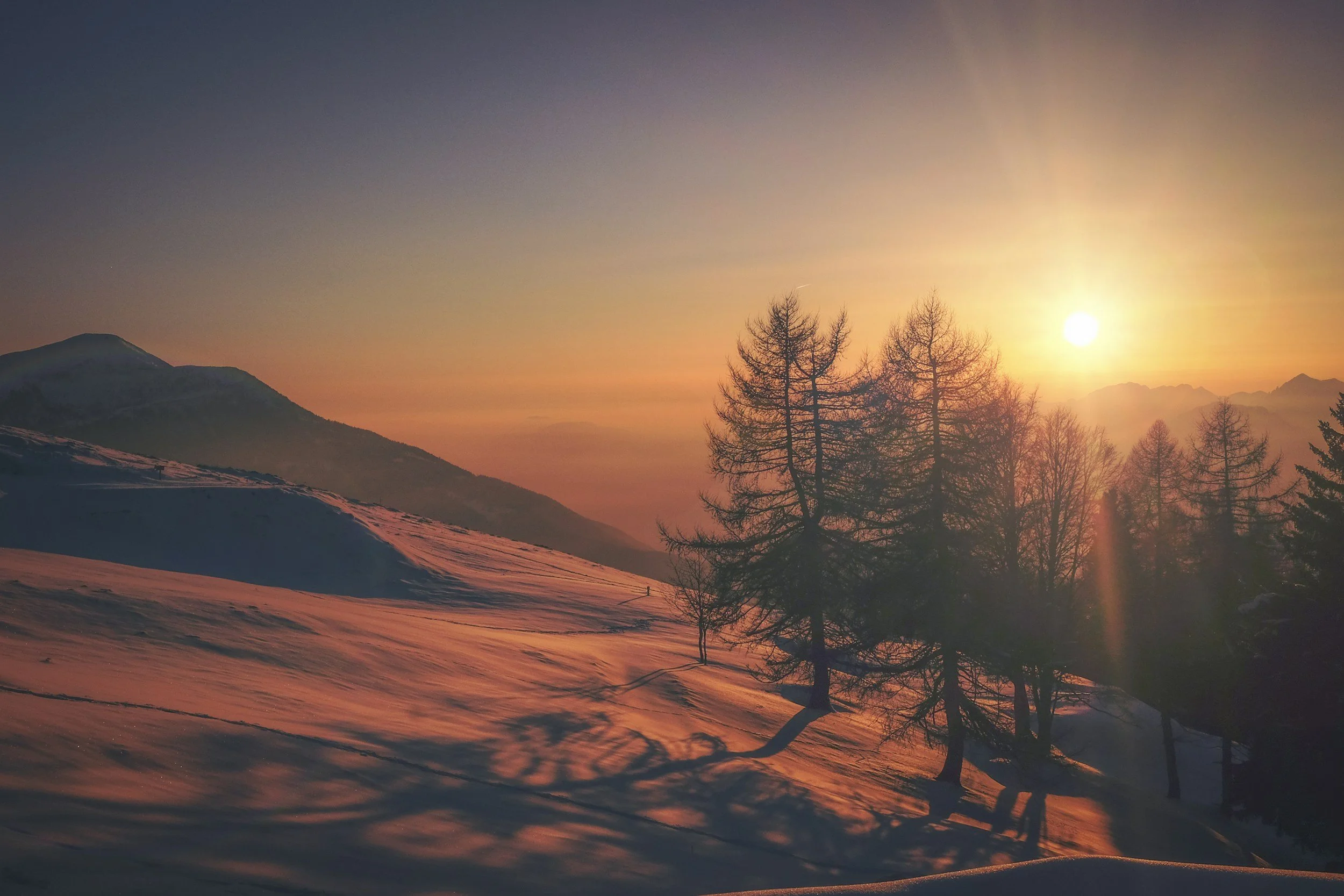
Image from Unsplash via Squarespace
Equinoxes and Solstices: the Measured Dance of Day and Night
Since ancient times, we humans have marked these turns with festivals, fires, fasts, feasts, agricultural customs, religious observances, and myths.
Our stories and rituals might differ, but our shared fascination is undeniable, perhaps because this dance of light and darkness mirrors the cycles of our human experience.
Sometimes the darkness has the upper hand, but the light always comes back around.
They do their dance.
The cycle goes on.
I live in the Driftless, where the winter is long and the days are short. I always feel a sense of relief when we pass the winter solstice. At that point, we still have two of themost brutal months of winterleft, but it gives me a spark of hope to know that the light is coming back.
When the summer solstice arrives, I always feel caught off guard.
What?!?! It just started to get warm! Things are just starting to grow!
Of course, we still have many long days of light ahead of us, but knowing each day is shrinking makes me treasure the light all the more.
Feasts That Mark the Turning of the Year
Long before we printed calendars or carried time around in our pockets, we kept track of the year by watching the sky and paying attention to the earth. As already mentioned, it’s no accident that so many of our great festivals occur at times when the year turns—the solstices and the equinoxes, the first frosts and the first greenings.
These are liminal moments in the most cosmic sense of the word.
Thresholds where one state of the world gives way to another, and where the usual order of things seems, for a night or a season, suspended.
So we feast and light fires.
We tell stories and enact rituals.
It’s our little way of marking these cosmic shifts. Our way of standing in the doorway between darkness and light, death and renewal, marking the crossing rather than sleeping through it.
The winter solstice is a feast of feasts! Around the longest night of the year, Rome's Saturnalia turned the world upside down, with masters serving servants. Northern Europeans burned the Yule log against the dark, while in China, families gathered for Dongzhi as the sun bottomed out and began to climb back again. And Christians set their Christmas feast—the birth of "the light of the world"—just as the light itself begins to return.
The Catholic liturgical calendar turns these cycles into a rhythm. Every year, it moves through seasons of waiting, passage, death, and renewal, then returns to “Ordinary Time.”
Other traditions mark these turnings too.
Think of all the great pagan festivals, like the Celtic Samhain (later Halloween), which sits at the hinge between autumn and winter, when the boundary between the living and the dead was believed to grow thin.
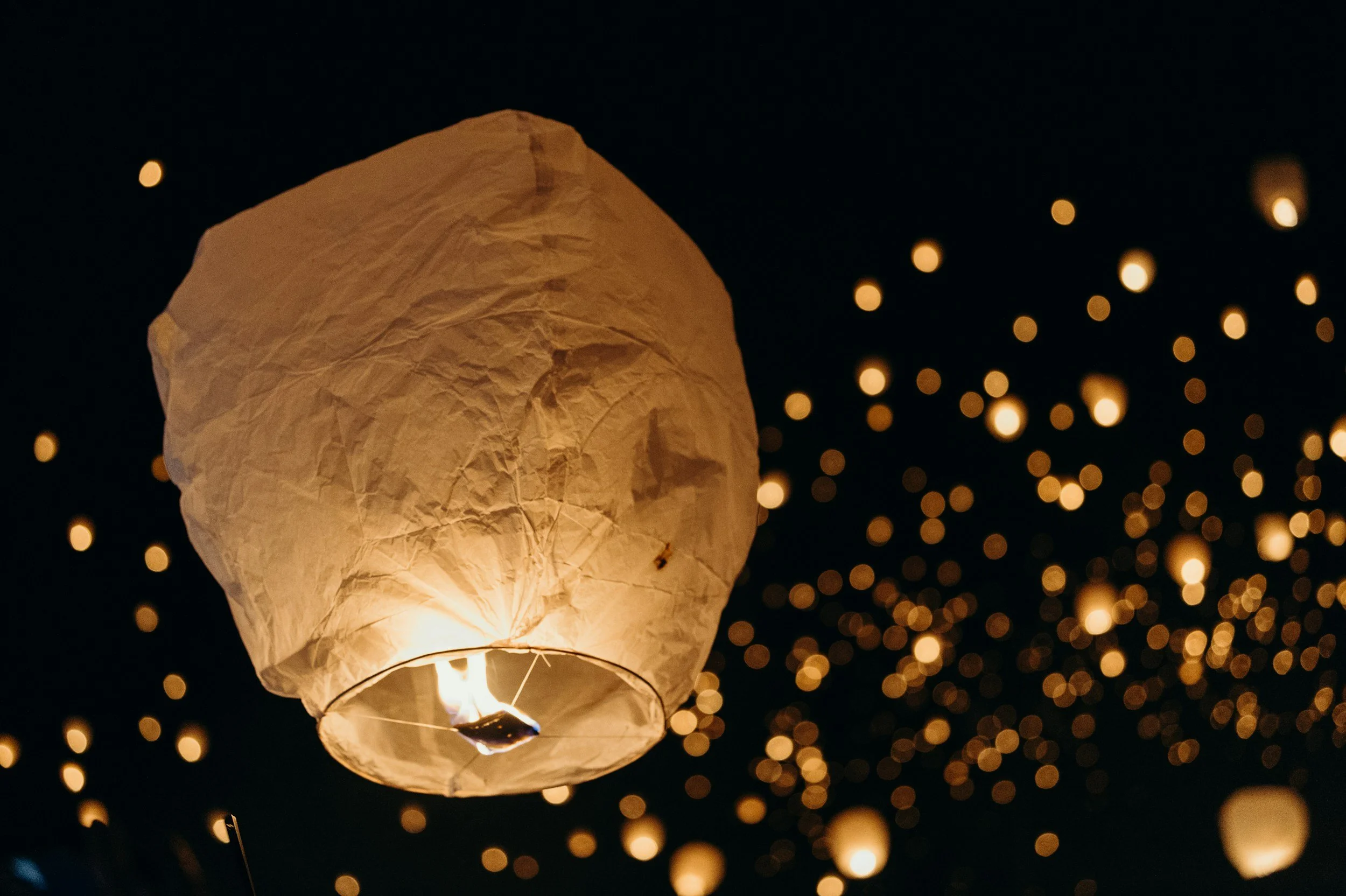
Then you’ve got Nowruz, the Persian New Year arriving at the spring equinox. Diwali with its row upon row of lamps set against the darkness of the autumn new moon. Passover and other spring festivals with their focus on renewal, liberation, and passage. Even the word Passover carries the crossing within it.
Eves, Vigils, and the Night Before
Religious and cultural calendars are full of “eves.”
The night before a feast, holy day, wedding, battle, funeral, journey, or initiation has its own character.
Preparations are nearly complete.
But the event has not begun.
The eve holds anticipation and uncertainty together.
A vigil goes further—it asks us to remain awake inside the threshold.
To keep watch beside the dying. To wait for dawn. To acknowledge that certain passages should not be hurried through unconsciously.
Vigil turns our waiting into attention.
I have always preferred the eve of a feast to the feast day itself.
Again, in light of previous disclosures, I suppose that makes sense.
Eves are simpatico with my aesthetic, literary, and spiritual sensibilities.
Christmas Eve.
Easter Vigil.
Hallow’s Eve.
Candles holding out against the darkness until the light bursts forth!
If it’s a gothic candelabra dripping with wax — all the better.
Personal Liminal Calendars
Not all liminal times are on public calendars.
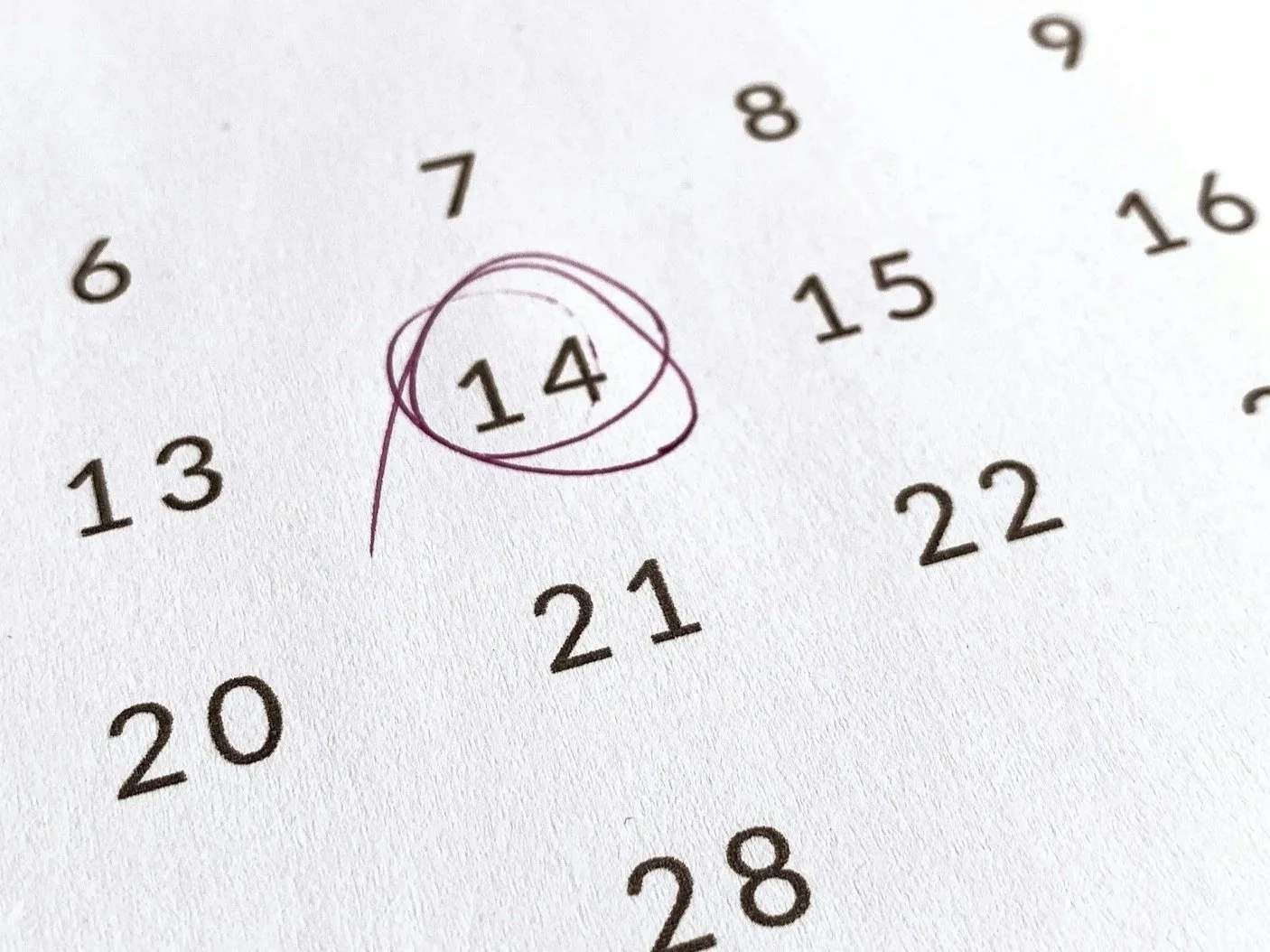
A birthday. A wedding anniversary. Another year sober or cancer-free.
Another year without a loved one.
These are personal threshold days.
Significant only to us and, perhaps, a few people close to us.
When they return each year, we can’t help but reckon with the years that have passed and wonder what the next might hold.
They can be times of nostalgia and reflection, joy and celebration, sadness and anger.
We all go along in the “ordinary time” of our lives, rushing here, rushing there, getting our tasks done, but then that date rolls around—and wham!
The anger we thought we let go rises up.
The sadness once again settles heavy on our chest.
The power of liminal time.
Why Liminal Times Feel Charged
Liminal times remind us that reality is always in transition.
The one constant in life is change.
Day becomes night.
Summer becomes autumn.
One year yields to another.
Liminal time reminds us of that, even though many things change slowly enough to give the illusion of permanence, nothing is fixed.
Spiritual masters tell us we need to realize this within ourselves in order to find freedom, but, even with daily, seasonal, and annual reminders, it’s a truth we resist.
Then there’s the illusion of time.
Which feels related.
But how?
And if they are, what is the relationship of “liminal time” to ultimate reality?
To the meaning and experience of our lives?
Mystics and physicists tell us—each in their own way—that ultimate reality is an “eternal now.”
But from an everyday experiential viewpoint, life feels like a succession of moments.
I mean, I grow “older” with every illusory “second,” don’t I?
The sun sets and the seasons change.
We see it happening.
How is that happening if not over time?
But I do feel like I experience the “eternal now” in meditation.
And when I’m meditating, the still peace of zeroth-dimension reality feels as real as the succession of moments feels when I open my eyes to the everyday world around me.
But when I try to flex my brain to parse it, I just clunk my head up against a low, hard ceiling.
And, honestly, how would we even function day to day without the illusion of time?
I want to live in truth.
Armed with knowledge!
But once we even start questioning it, things can go off the rails pretty quick.
We’ve all been there.
Sitting in front of our buttercream birthday cake, ready to blow out our candles, when suddenly we’re thinking about how we just made another trip around the sun…how we’re clipping along at 67,000 mph while our solar system hurtles…somewhere…at 828,000 mph, but we don’t even notice because of relativity…which also has something to do with time moving at different “speeds” in different parts of the universe…don’t ask us to explain…and how, every year, time, does, in fact, seem to speed up…Could this somehow be related?…how we were so sure it was only five years ago that we coasted the red Toyota (on fumes!) into a desert gas station, but really it was twelve…and how it’s possible we could miss seventy years of our beloveds’ lives should we happen to get stuck on certain planets for seven hours…or seven minutes….

Image from Unsplash via Squarespace
That’s when we rush back to our Google calendars, daily planners, and ticking clocks—clasp them to our heaving chests and weep with gratitude for how they parcel out spacetime in increments we glorified apes can grasp.
But if that’s all we had to measure time with, what a drag it would be.
Maybe that’s where liminal time comes in.
Some kind of bridge between these disparate ways our brains comprehend our existence in a multi-dimensional reality.
Accessible but still kind of magical.
On a schedule but still somehow ineffable.
Keeps one foot in the transcendent ultimateness of it all and the other in the kitchen on a Friday night, friends and family gathered around, shout-singing “Happy Birthday” to you, as outside the window the sun goes down, sky ablaze through golden leaves, on the first cold day of fall.
If you dare to linger more in the conundrum that is time, I leave you with this beloved masterpiece.
Join my free newsletter
Posts come about twice a month to your inbox or Substack app — always free.
S. K. Kruse is the author of Tales From the Liminal, Of Beginnings and Ends, and Tell the Story of Your Soul. She is the co-curator of The Liminality Project and founder of The Liminal Essay Contest. She is available for workshops, discussions, and retreats. Find out more about S. K. Kruse’s books and projects here.