How to Navigate a Liminal State
This week’s libation is poured out for everyone wandering through a dark night, unsure which way to go, unsure, even, who they are anymore.
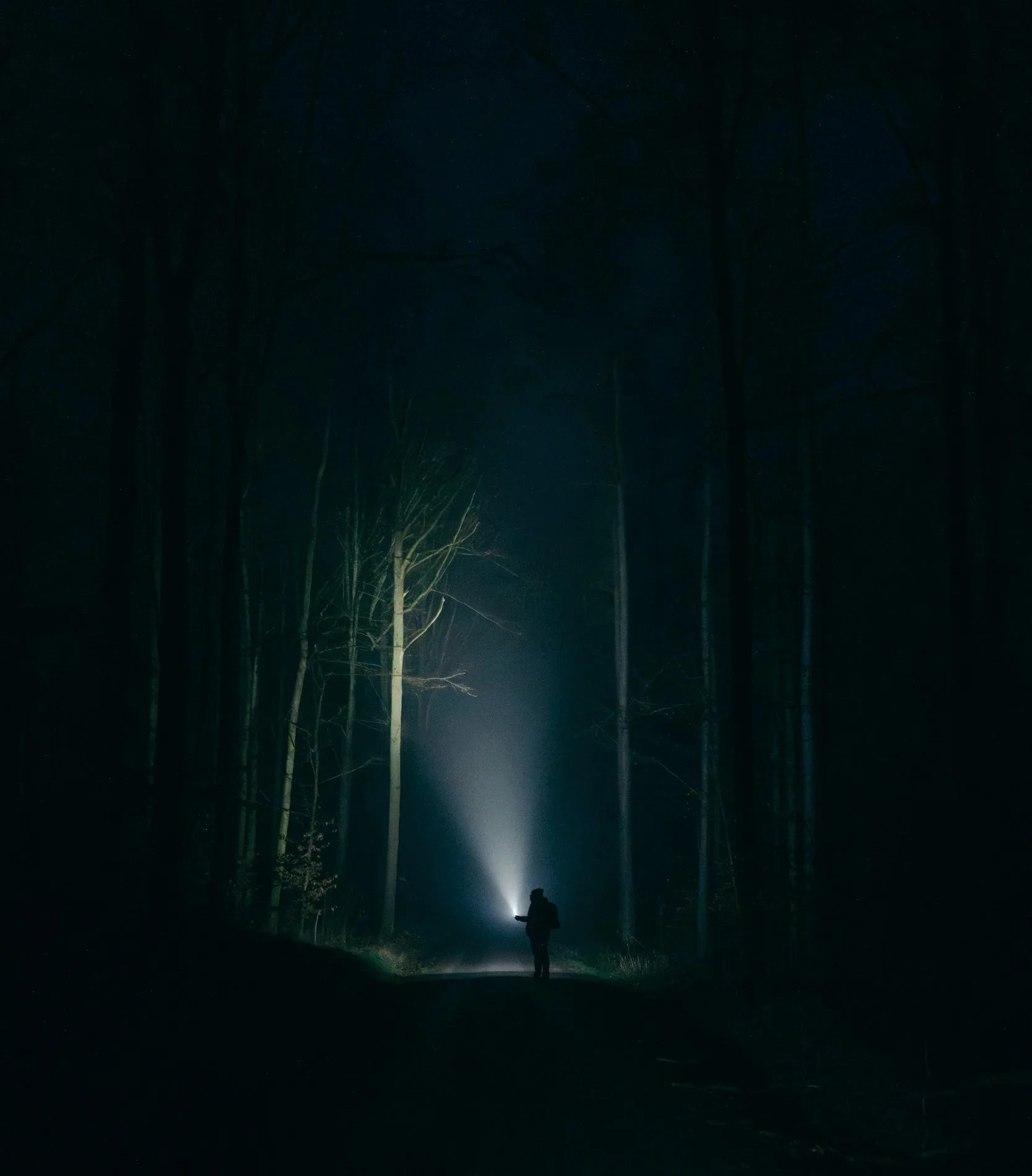
Some of us are rather skilled at ignoring what’s going on inside us. We muscle through. Keep moving. Handle what needs to be handled and save the feelings for later — which, of course, often means never.
That kind of willpower is a real asset in daily life. Things have to get done, regardless of what’s going on inside.
But when it comes to the interior work of a liminal state, muscling through doesn’t work.
It just delays the process.
Or worse, shuts it down entirely.
The liminal has work to do in you.
The goal is to let it.
Here are some practices to help you through.
Practices to Help You Through a Liminal Season
Ritual
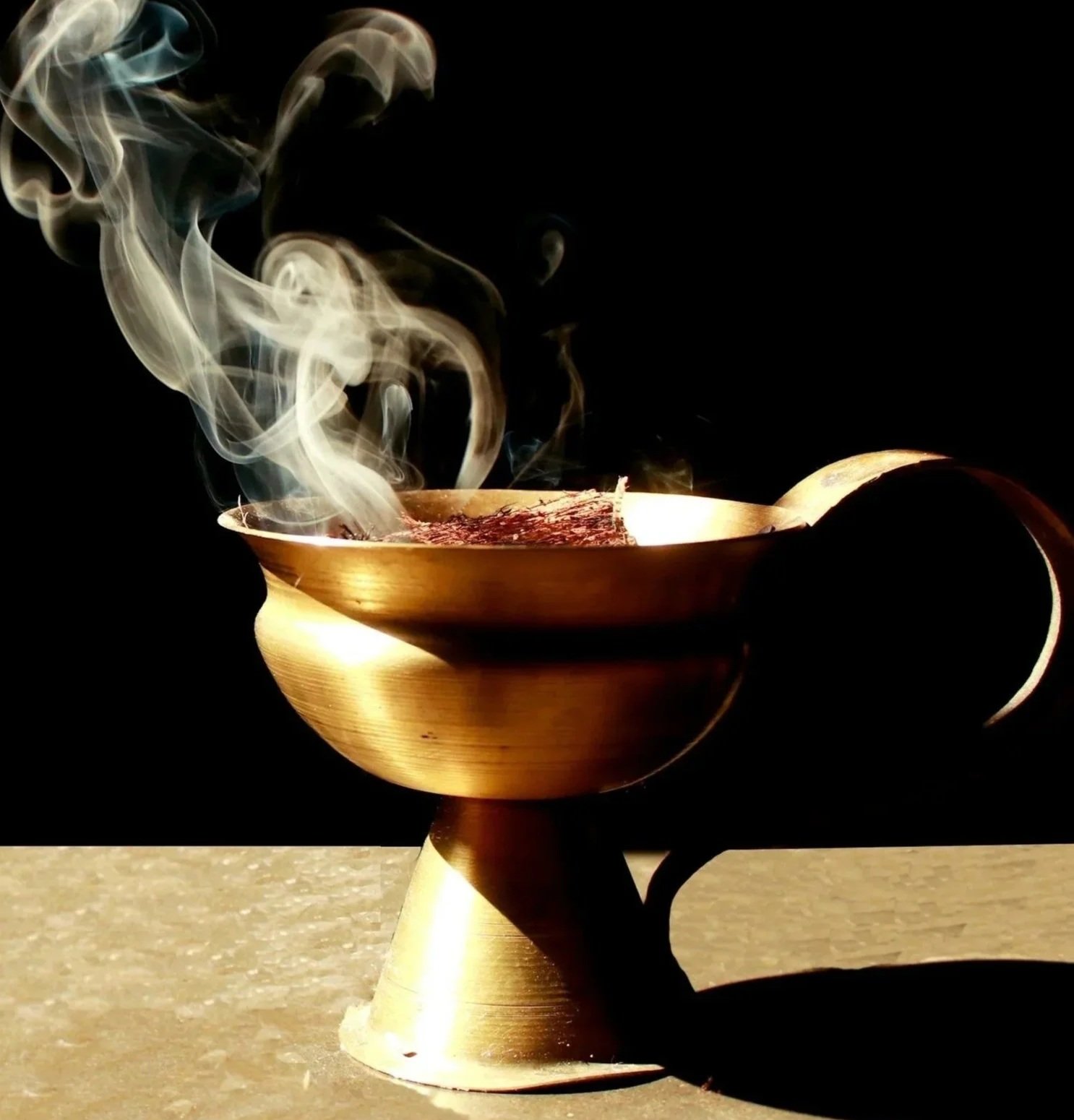
Ritual is a handrail in the in-between. Something to hold onto when the ground is shifting beneath your feet. This might look like organized ritual, such as going to synagogue, church, or prayer group. Or it might be something personal and quiet, like lighting a candle at dawn, journaling before the house wakes up, taking the same walk every evening, writing letters you’ll never send to make peace with certain experiences, or releasing an object that belonged to some painful part of your life.
Movement
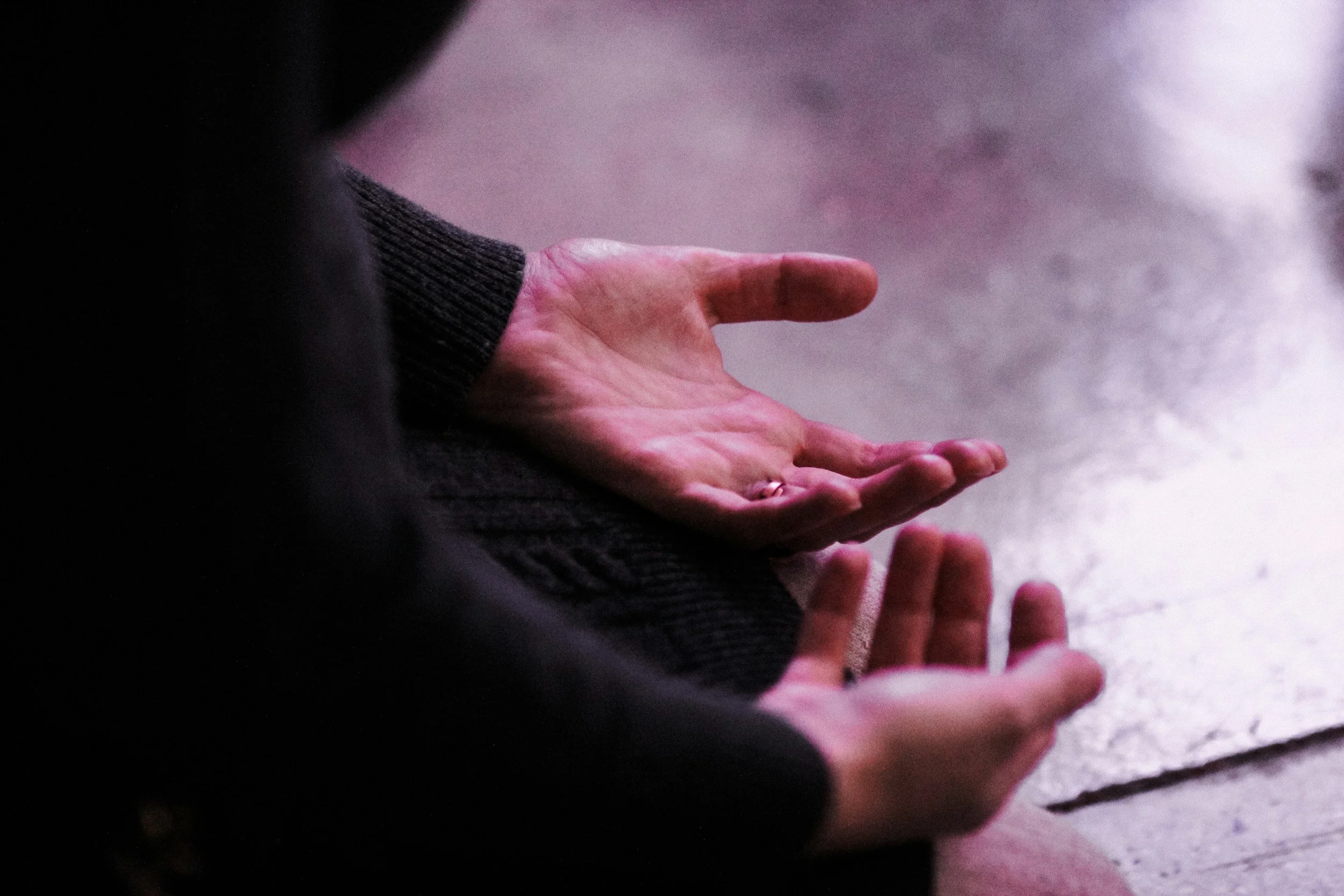
Don’t overlook the body. Breathwork, dance, hiking, qi gong, yoga, and other physical practices are essential for releasing emotions trapped inside.
Eastern traditions have understood for millennia that the body is a vehicle for consciousness. Practices like yoga, pranayama, and tai chi exist precisely to move what is blocked and release what we’re holding. Modern trauma researchers like Peter Levine (Waking the Tiger) and Bessel van der Kolk (The Body Keeps the Score) have given us the neurological language for what these traditions knew intuitively: our unprocessed experiences don’t live only in our thoughts. They live in our bodies too.

Spirituality
Nothing like the existential questions to send us spinning out into the liminal.
Who am I?
What do I actually believe?
What is this life for?
During such times, spirituality, at its best, does not shame or condemn the questions or provide quick, packaged answers, but rather provides strength and sustenance as you journey through the liminal.
Your spiritual experience during a liminal phase might look like a deepening of an existing faith tradition, such as returning to prayer, scripture, or practice with new sight. It might look like honest wrestling with what you thought you believed and finding something truer on the other side. It might be a quiet, undefined sense of being held by something larger than yourself — a presence or a purpose, a grace you can’t quite name but can feel.
Spirituality in the liminal is less about having answers and more about staying grounded interiorly amidst all the unknowns, with an openness to your ongoing becoming—whatever form it might take.
The liminal is sacred ground, after all.
Many traditions have known this and given it powerful form in the language of the desert, the wilderness, and the dark night of the soul. Mystics from all traditions understand that the liminal is not a detour from spiritual life, but an essential, integral part of it.
Nature
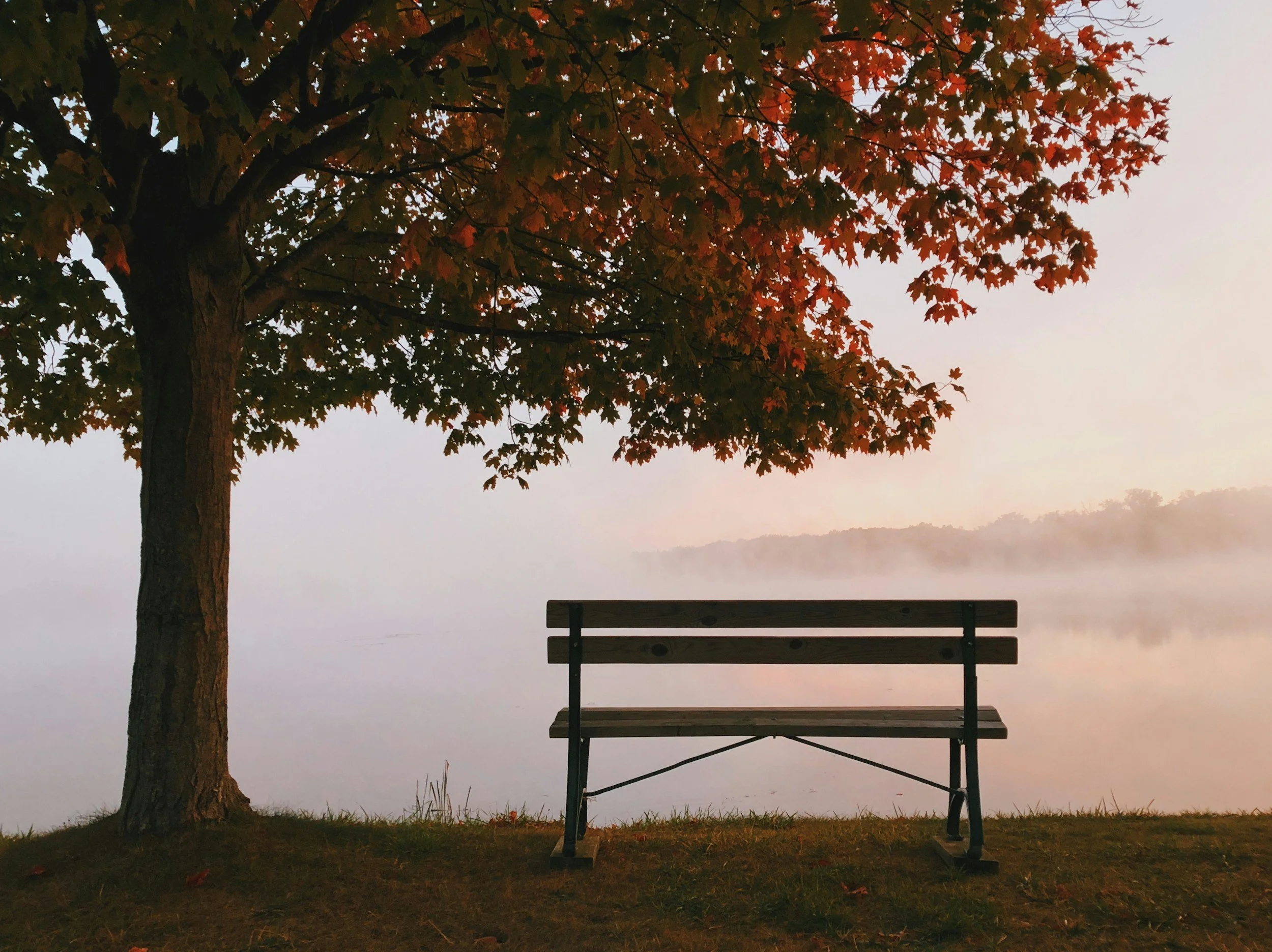
Time in the natural world quiets the noise and restores our sense of scale. A walk in the woods, the rhythm of the tide, the open sky. Nature mirrors our own seasons of change and reminds us that transition is the way of all living things.

Pilgrimage
Pilgrimage is an ancient human practice in which we undertake an outer journey when we’re seeking clarity or guidance, or when we want to mark or facilitate an inner shift, such as spiritual renewal, healing, or forgiveness.
Sometimes the destination is a space that is sacred in a religious tradition, such as a cathedral, mountain, river, or saint’s tomb. Sometimes it’s a space sacred or significant only to us, like the house we grew up in, the corner where we said goodbye to someone we loved, or the bench where we made a big decision. Revisiting such spaces with intention can help shift us when we’re stuck or bring closure to seasons of our lives.
Creative Practice
Creative practice is one of the oldest ways we have for giving form to what’s going on inside us, sometimes before we even fully understand what it is we’re living through. It gives us an outlet that doesn’t force premature clarity. It allows room for contradiction—grief and relief, hope and dread, joy and loss. It doesn’t demand resolution. It can help give shape to what is sometimes difficult to name.
And a remarkable thing is that when you tell your story while in a liminal season, it can help it shift. What might have felt like the whole truth — this is just my life now, this is who I am — starts to reveal itself as a chapter in your larger story, giving you a broader view of things, bringing hope for the future.

Community
One of the liminal concepts Victor Turner gave us was the idea of communitas (The Ritual Process, 1969) — the deep solidarity that forms among people who pass through liminality together. Community can transform liminality from exile into initiation. It keeps the in-between from becoming a void.
Community might look like a weekly small group at a church, sangha, or recovery circle, or gathering in a friend’s living room. It might be one steady person who checks in, or practical forms of care such as meal trains, childcare swaps, and rides to appointments. When we care for one another in community, we remind each other that we are not alone.

Liminal Guides
The liminal guide is one of the great archetypes in storytelling, identified for us by Joseph Campbell in The Hero with a Thousand Faces (Pantheon Books, 1949). The liminal guide is a figure who leads us through these difficult and confusing times: Hecate in Greek mythology. Morpheus in The Matrix. Gandalf in The Lord of the Rings. They cannot make the journey for us, but they can provide aid and insight. Gandalf, for example, cannot bear the Ring for Frodo, but he offers wisdom, perspective, and as much help as he can—even at the cost of his own life.
Most of us won’t have a wizard. But we’re often fortunate enough to have a mentor, teacher, family member, or surprise companion who has passed through something similar. Someone who can walk alongside us during the dark and confusing times, helping as they are able, and there to reassure us: I’ve been there. Keep going.
Agency & Acceptance in Times of Extreme Liminality
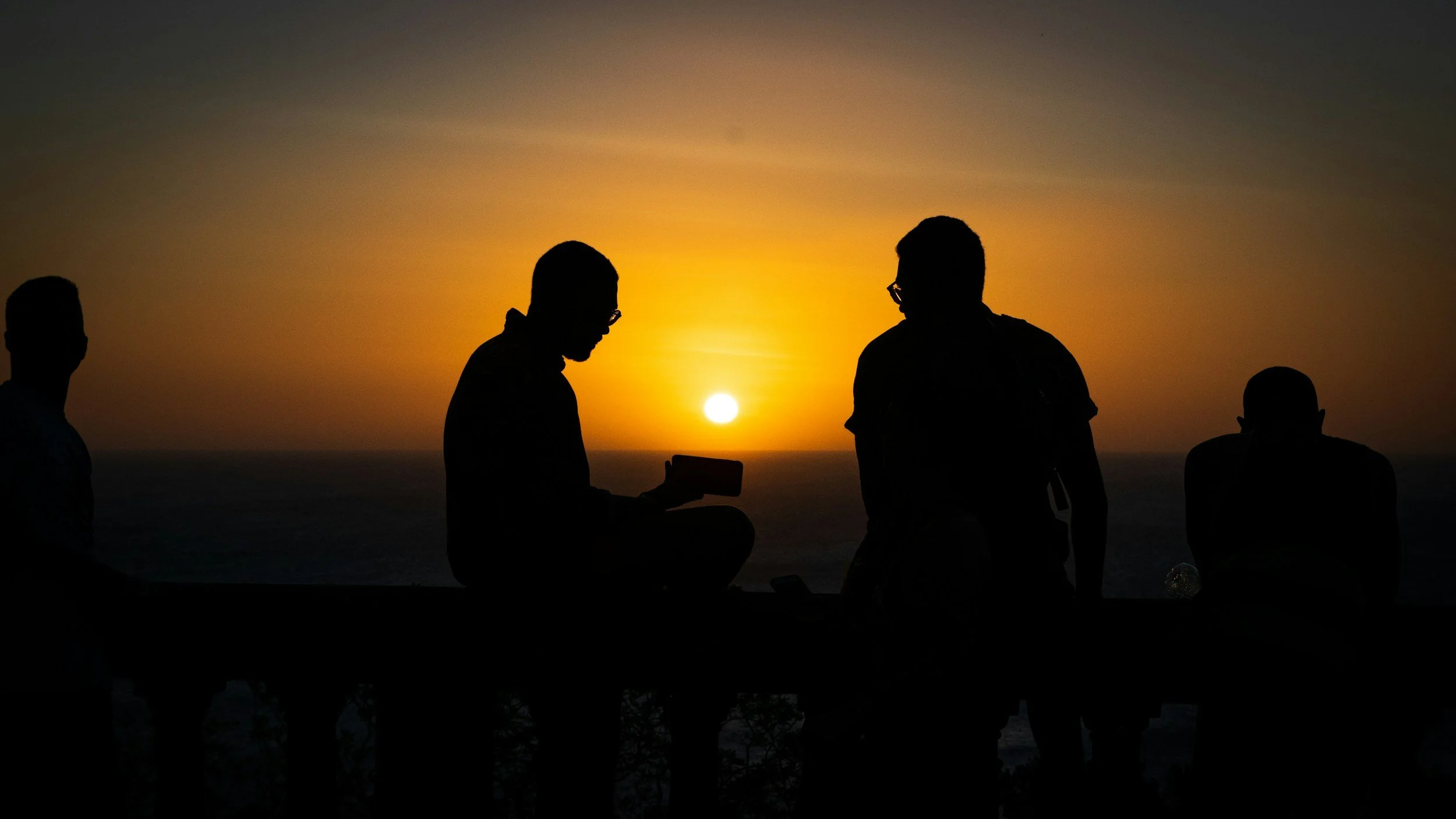
Sometimes we choose the liminal, but usually it’s thrust upon us. In times of extreme liminality, such as war, natural disaster, or the loss of a loved one, the ground doesn’t just shift. It feels like it disappears entirely.
If you’ve been there — or if you’re there right now — I first want to say: I’m sorry. There is nothing easy about it. I do not want to romanticize the suffering of the liminal state or fall into a pseudo-spirituality that denies, diminishes, or tries to bypass the agony of it. While a liminal state holds the possibility of our transformation, the experience of it is often traumatic.
In times like these, there may not be much you can change, but there are still a few things that may help.
Find Agency
When so much is outside your control, look for what is in your control. That might be something as simple as helping a neighbor, learning something new, or just maintaining a small daily routine. These are quiet, powerful acts of self-reclamation.
PracticE Radical Acceptance
Radical acceptance isn’t about pretending things are okay, or giving up, or surrendering to despair. It’s about acknowledging what is — without fighting reality — and finding, from that place, the strength to take the next step. And then the next one. And the next one…
The Serenity Prayer
The Serenity Prayer is always a perfect prayer, but especially in times of extreme liminality.
May I have the serenity
to accept
the things
I cannot change,
the courage to change
the things I can,
and the wisdom
to know the difference.

This post is part of The Liminal Hub. Visit now to read more about all things liminal.
Never miss a post from S. K. Kruse. Sign up for her free newsletter Libations From the Liminal.
Further Libations
Liminal Times: Thresholds of the Turning World — dawn, dusk, autumn: the hours when time itself becomes a threshold.
Why Empty Hallways Feel So Wrong: The Psychology of Liminal Spaces — why empty hallways and abandoned places unsettle us.
We Cannot Live in a World Interpreted for Us by Others — Hildegard of Bingen on taking back our own listening.
