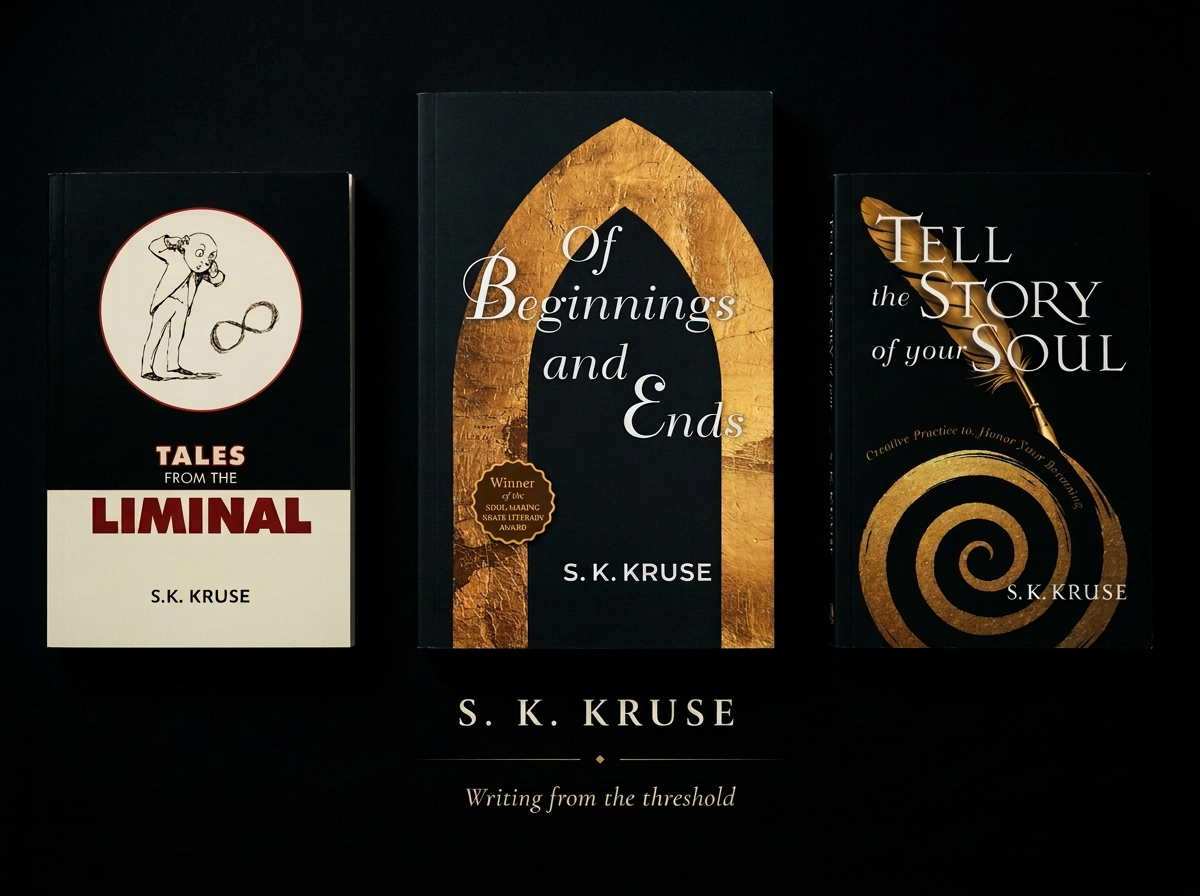
Apparently, it’s become fashionable again to read.
Or at least to appear as though one reads.
There’s a whole aesthetic around it called “literary chic,” which started with dark academia, but now spans sunnier fare from light academia to poetcore to librariancore.
Books are actually read, at times, by this literary chic crowd, though the reading focus, like the aesthetic, has drifted from dark academia into a panoply of genres, so that one might just as likely have a Miss Marple paperback sticking out of one’s tote bag as a copy of Joan Didion’s Slouching Toward Bethlehem.

Photo by Jalil Saeidi on Unsplash
But these are not the cool kids I’m talking about.
For the genres of the books they may or may not be reading are, for the most part, well known.
I’m talking about the truly countercultural crowd (You know who you are. Age and wardrobe are not factors.) that still reads the deep cuts, because this genre dates back to antiquity.
Any guesses?
Think:
Augustine’s Confessions
Bunyan’s The Pilgrim’s Progress
Coelho’s The Alchemist
Gilbert’s Eat, Pray, Love
Final guesses?
Drum roll, please….
Photo by Josh Sorenson on Unsplash
They’re all soul stories. Some of them might be called “spiritual autobiography,” but the full genre doesn’t have a name. Since I like words, I took it upon myself to give it one.
te·log·ra·phy (tə-ˈlä-grə-fē) n. [< Gk. telos, end, purpose + -graphia, writing]
1) The story of a soul; an account of one’s becoming.
2) The practice of creating a soul story.
Obsessed With Telos Since I Was 17
Over the course of my life there are no two concepts that have captured my imagination more than the liminal and telos, and now I get to use them both.
All the time.

Photo by Josh Sorenson on Unsplash
The liminal gets a lot of airtime in my writing (Are you sick of it yet?), but I don’t often get to revel in telos.
Indulge me for a bit.
I still remember where I was sitting in my high school religion class when I first learned about it during a lesson on Aristotelian philosophy. No idea had ever captivated me quite like that before.
What I still love to this day about the concept of telos — our deepest purpose, or that for which we exist — is that we don’t have to have any particular philosophical or theological framework to see that everything that exists has its own inherent purpose, simply by existing in the particular way it exists.
Aristotle, of course, focused on categories of things. But I’ve since been smitten with existentialist thought, and somewhere along the line the locus of telos shifted for me to the individual, in the tradition of Nietzsche and Kierkegaard, making it a perfect fit as the heavy lifter in this little coinage of mine, because we all make an inner journey, whatever our worldview, whatever our choices. We all grow and change, get stuck and lose our way, then hopefully find the thread again, moving forward through lessons hard learned.
A telography is simply the story of our becoming.
My Ever-Growing Catalog of Telographies
This madness all started when I wrote my own telography, Of Beginnings and Ends, 13 years ago.
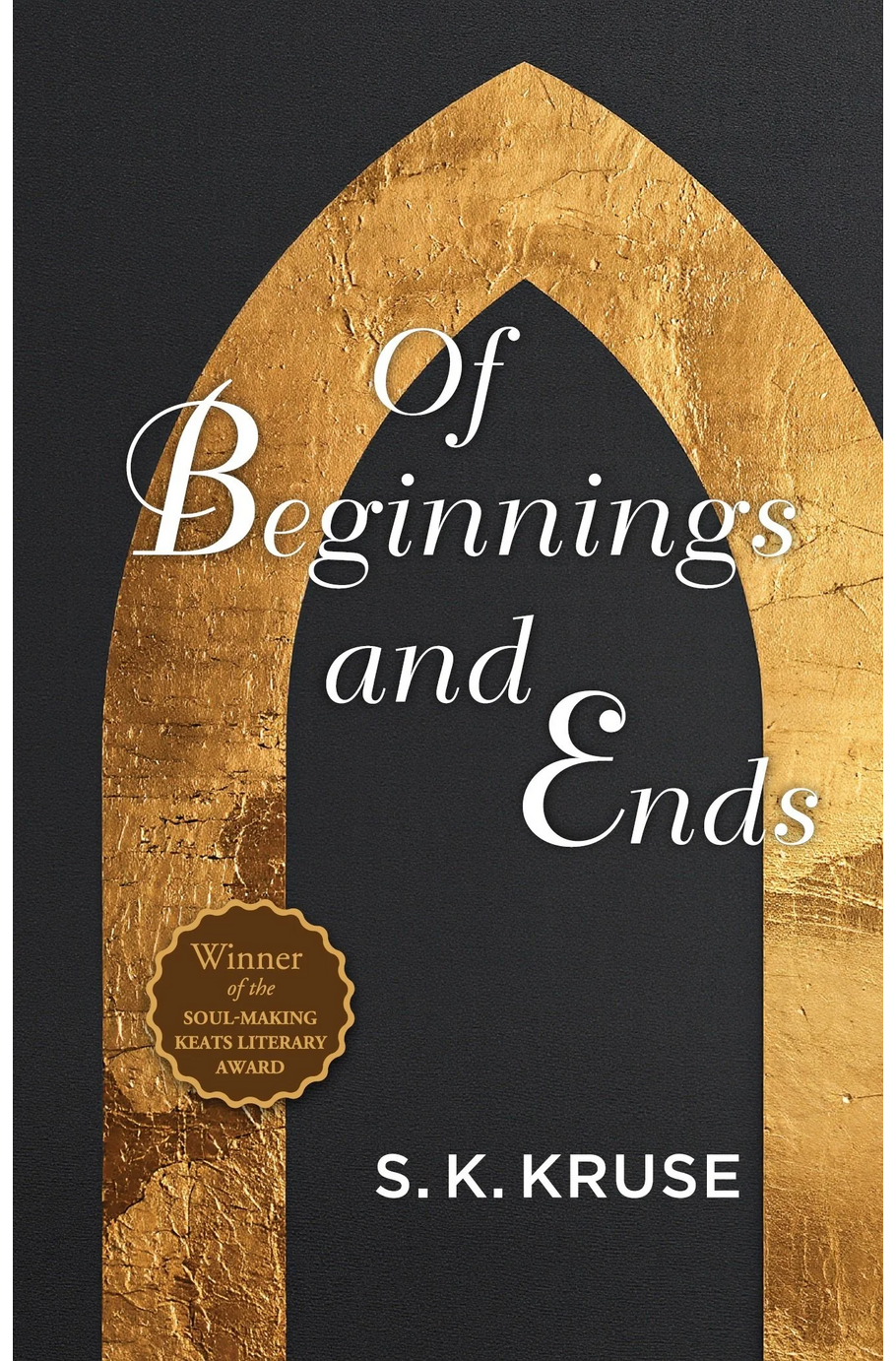
The book had finally gone into production earlier this year (Shout out to Deuxmers!), when I got the crazy idea to develop my Tell the Story of Your Soul course to help anyone create their own telography. (Words optional.)
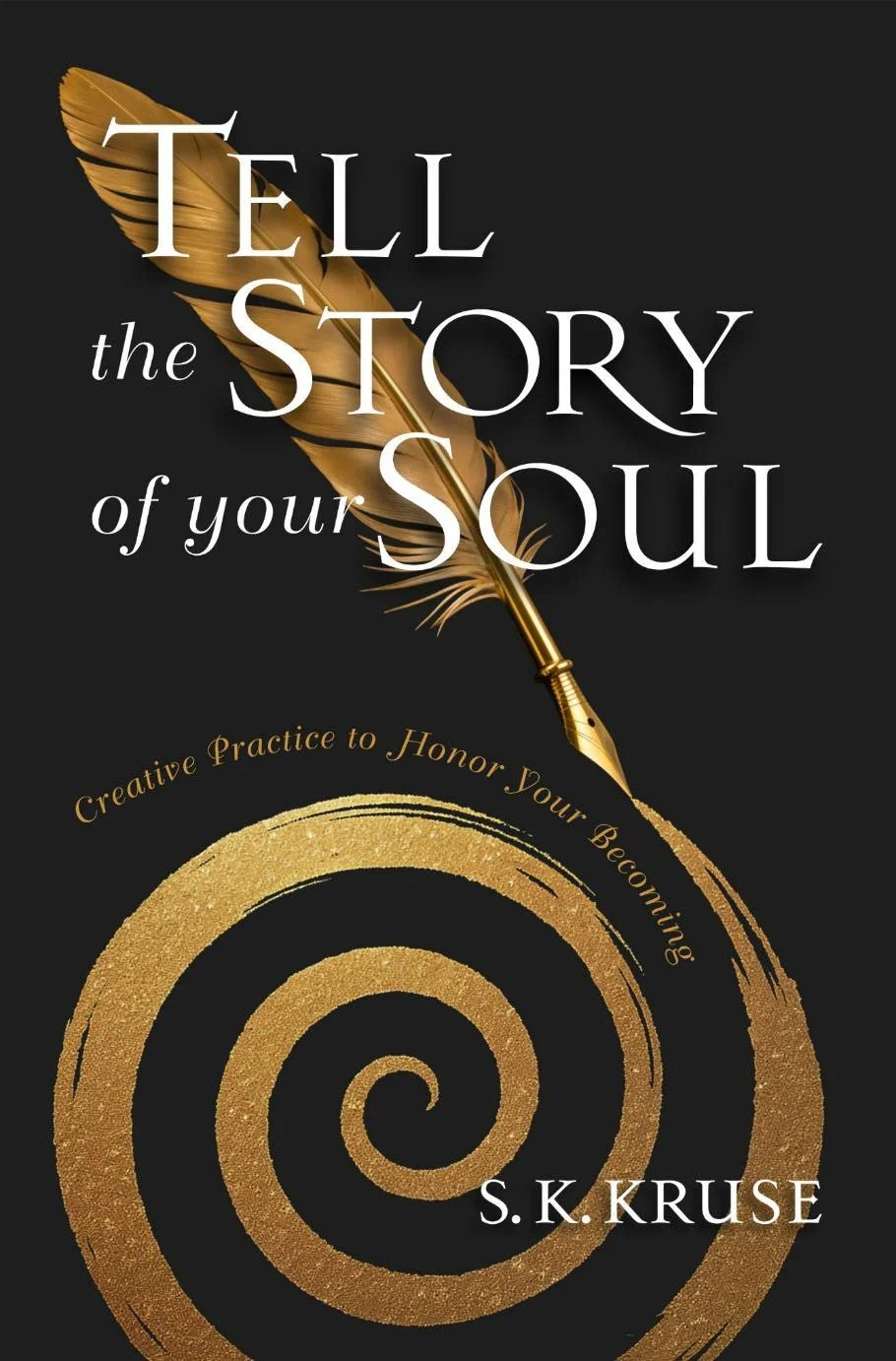
And, per usual, one thing led to another.
For one of the sessions, I wanted to give an overview of the genre. So, I started by making a list of all the telographies I already knew from my own cool-girl reading, and then started researching what else was out there. I went into this deep dive, thinking I’d read a good chunk of the famous ones, but oh my young Padawan….
Let’s just say, I’ve now got a whole new stash to read.

Photo by Ed Robertson on Unsplash
If you want to join the cool-kid club, you can check out the descriptions of all of these books on my Telography page, but meanwhile here’s a list you can browse.
Biographical & Autobiographical Telographies
Anonymous — Therīgāthā (Verses of the Elder Nuns), c. 6th–3rd centuries BCE; Early Buddhist
Anonymous — Ecclesiastes (Qoheleth), c. 3rd century BCE; Hebrew wisdom literature
Aelius Aristides — Sacred Tales, c. 170; Greco-Roman, the cult of Asclepius
Cyprian of Carthage — Ad Donatum, c. 246–249; Christian, North Africa
Augustine — Confessions, 397–400; Christian, late antiquity
al-Ghazālī — Deliverance from Error, 1106; Islam
Tsangnyön Heruka — The Life of Milarepa, 1488; Tibetan Buddhist
Teresa of Ávila — The Life of Teresa of Jesus, 1562–1565; Catholic Christian
The Baal Shem Tov — In Praise of the Baal Shem Tov, 1814; Jewish / Hasidic
Thérèse of Lisieux — Story of a Soul, 1898; Catholic Christian
Black Elk — Black Elk Speaks, 1932; Lakota / Indigenous spirituality
Paramahansa Yogananda — Autobiography of a Yogi, 1946; Hindu / Kriya Yoga
Thomas Merton — The Seven Storey Mountain, 1948; Catholic Christian
Chögyam Trungpa — Born in Tibet, 1966; Tibetan Buddhist
Elizabeth Gilbert — Eat, Pray, Love, 2006; Secular memoir
Cheryl Strayed — Wild, 2012; Secular memoir
Allegorical, Fictionalized & Semi-Autobiographical Telographies
Sîn-lēqi-unninni — The Epic of Gilgamesh, c. 1300–1000 BCE; Mesopotamian
Anonymous — The Book of Job, c. 6th–4th centuries BCE; Hebrew wisdom literature
Anonymous — Katha Upanishad, c. 5th–3rd centuries BCE; Hindu
Bhadrabahu — Kalpa Sutra (Jinacaritra), c. 300 BCE; Jain, Shvetambara
Anonymous — Bhagavad Gita, c. 2nd century BCE–2nd century CE; Hindu
Aśvaghoṣa — Buddhacarita (Acts of the Buddha), c. 1st–2nd century CE; Buddhist
Apuleius — The Golden Ass (Metamorphoses), c. 170; Greco-Roman, the mysteries of Isis
Anonymous — The Hymn of the Pearl, c. 3rd century; Syriac Christian
Anonymous — The Confession of Cyprian of Antioch, 4th century; Christian legend
Farid ud-Din Attar — The Conference of the Birds, 1177; Sufi Islam
Dante Alighieri — The Divine Comedy, 1308–1321; Catholic Christian
John Bunyan — The Pilgrim’s Progress, 1678–1684; Protestant Christian
Anonymous — The Way of a Pilgrim, 1884; Eastern Orthodox
Hermann Hesse — Siddhartha, 1922; Secular / philosophical
Hermann Hesse — Steppenwolf, 1927; Secular / philosophical
Antoine de Saint-Exupéry — The Little Prince, 1943; Secular / philosophical
Richard Bach — Jonathan Livingston Seagull, 1970; Secular / spiritual allegory
Robert M. Pirsig — Zen and the Art of Motorcycle Maintenance, 1974; Secular / philosophical
Paulo Coelho — The Alchemist, 1988; Secular / spiritual allegory
And….
(Drum roll, again, please….)
S. K. Kruse — Of Beginnings and Ends, 2026; Literary fiction
PLEASE let me know if you see any glaring errors or omissions — I’d especially love to add more telographies by women.
And PLEASE let me know which are your favorites, so all of us cool kids can revel in them together.
You know who you are.